Welcome to your Italian food tour
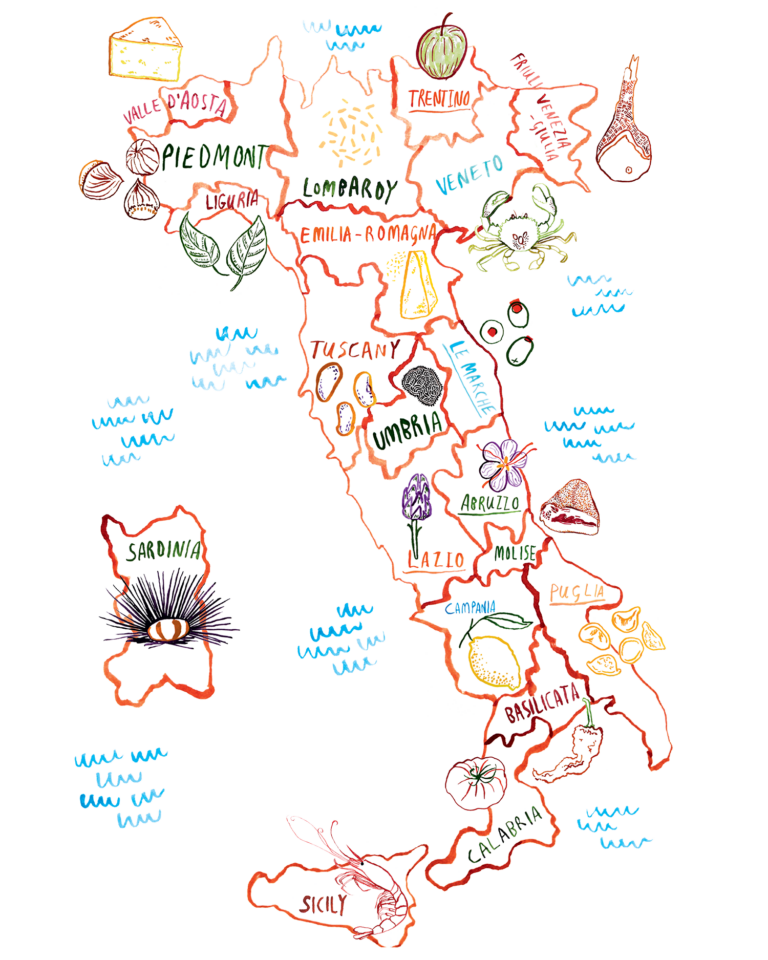
Ready to take a a culinary journey the length and breadth of Italy? Our Italian food guide has recipes from all of its 20 regions – along with their top traditional dishes, star produce (including the best wines and cheeses) and memories from delicious. team of their favourite Italian food experiences.
From the meaty rib-sticking fare and dairy farming of the Alpine north to the olive oil, seafood and tomatoes of the Mediterranean south, it’s a tour that takes in a world of flavours. And from the Austrian influence of the Alps, down to Sicily where Arab, Greek, Spanish and other peoples have left their mark, it’s a trail that offers a taste of many cultures.
Visit Abruzzo Visit Basilicata Visit Calabria Visit Campania Visit Emilia-Romagna Visit Friuli-Venezia Giulia Visit Lazio Visit Le Marche Visit Liguria Visit Lombardy Visit Molise Visit Piedmont Visit Puglia Visit Sardinia Visit Sicily Visit Trentino-Alto Adige Visit Tuscany Visit Umbria Visit Valle D’Aosta Visit Veneto
Abruzzo
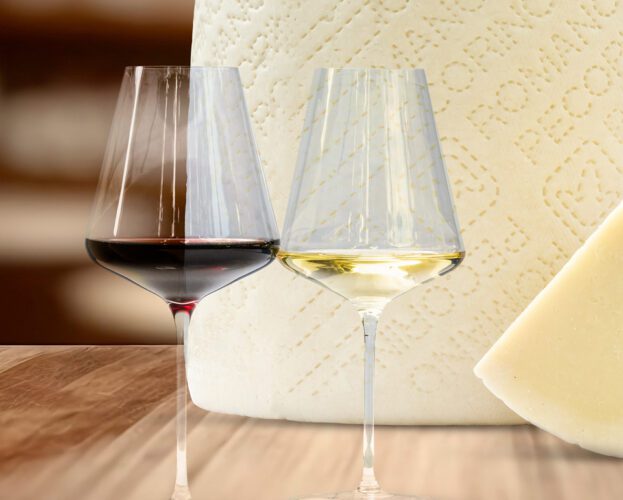
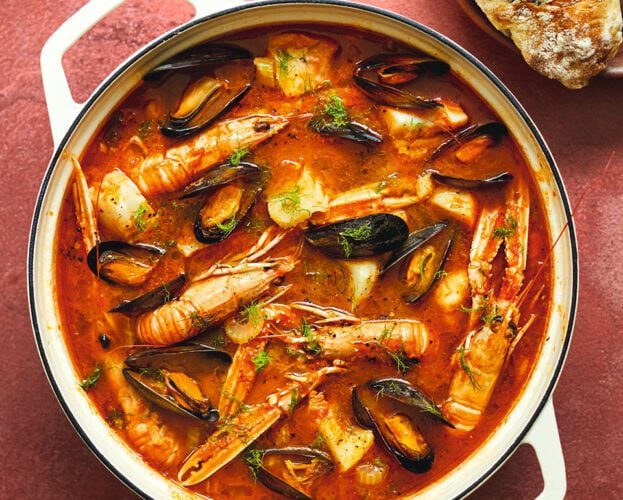
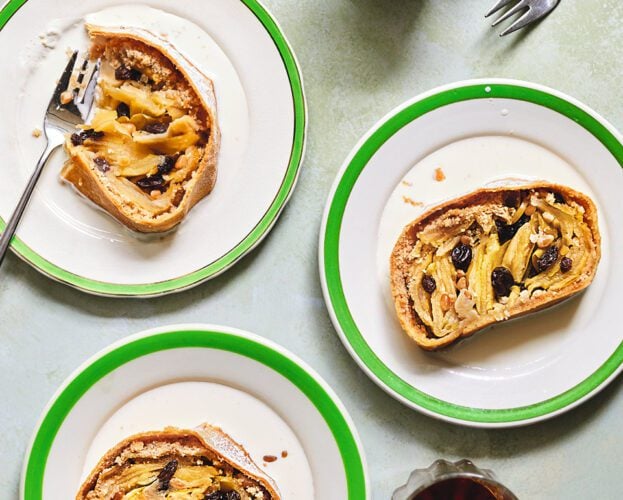
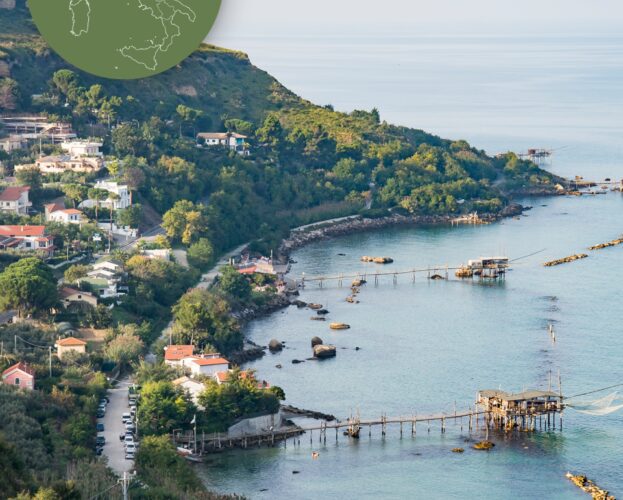
Discover the food, drink and dishes Abruzzo is best known for with our food lover’s guide to the region. Expect pasta dishes heavy with meat and cheese; sweet treats dating back to the Romans; fish and seafood from along the coast and liqueurs flavoured with local wild herbs and flowers. With these natural riches, the region’s gastronomy stands proud against its culinary heavyweight neighbours Lazio and Le Marche.
Basilicata
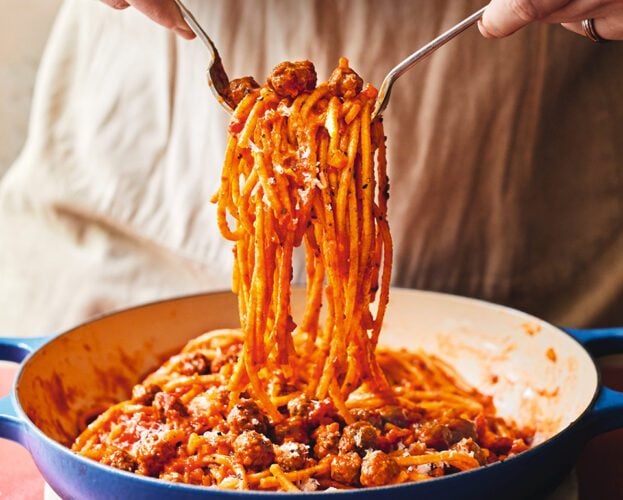
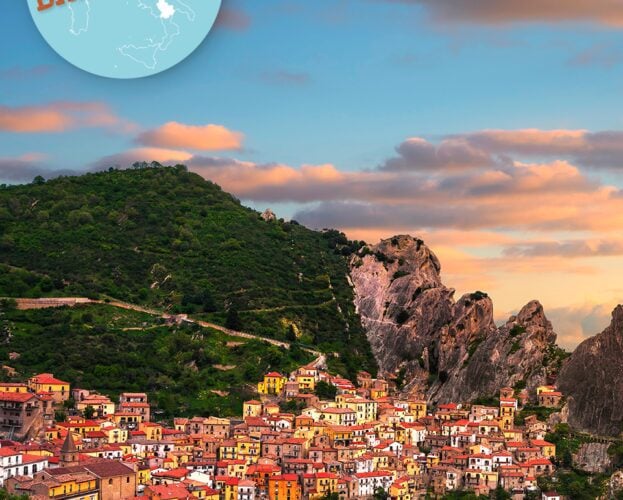
Wild, rugged and mountainous, Basilicata is a hidden gem of southern Italy. Between its two coastlines and among its hills, southern Apennine mountains and forests you’ll find some serious history and wonderful examples of cucina povera at its finest.
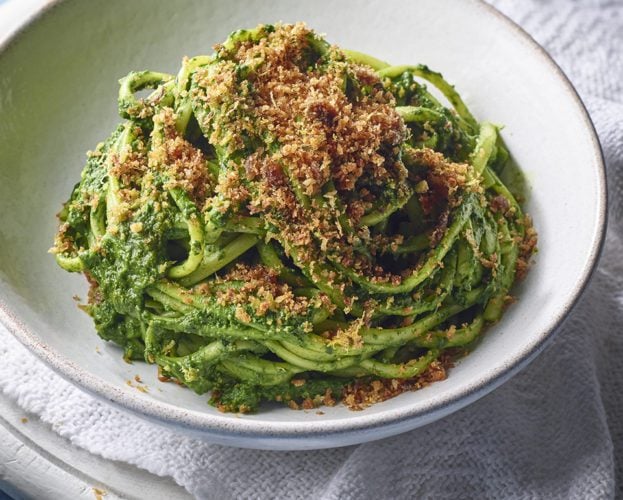
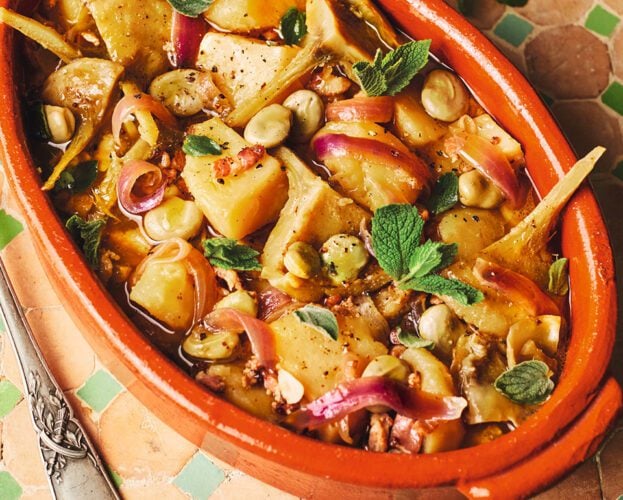
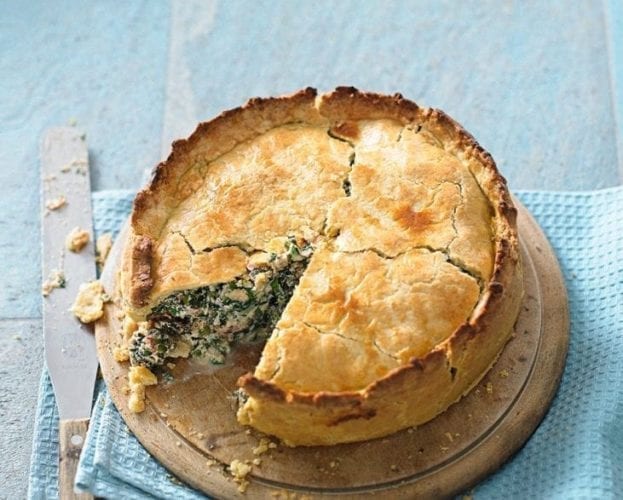
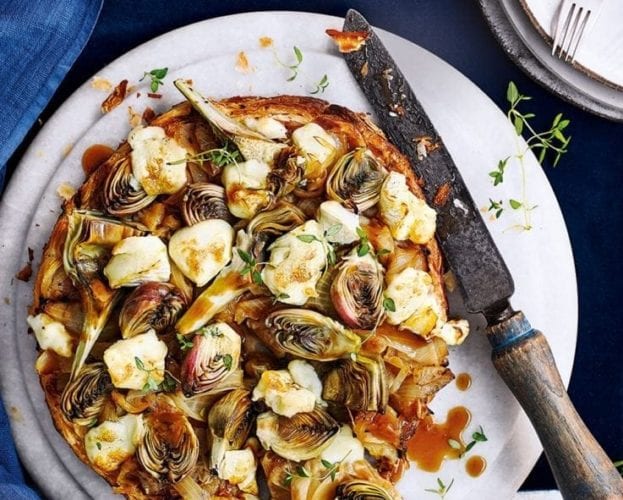
We explore the region’s version of pizza (more like a pie than the Neopolitan version that you might know), along with plenty of other foods typical of the area and Basilicatan cuisine, like pasta mollicata made with anchovies and breadcrumbs, and ciaudedda, a side dish of broad beans, artichokes and pancetta that we fell in love with.
Calabria
The toe of Italy’s ‘boot’, Calabria is a sun-drenched, fertile, gloriously beautiful part of the country with 500 miles of coastline. Traditionally, however, it has also been one of the poorest parts of the country – and the cuisine reflects that.
Calabrian cuisine can best be summed up as simple, fiery and porky. ’Nduja is the poster child, but the vast majority of cooked dishes will include at least a little sprinkle of crushed chillies.
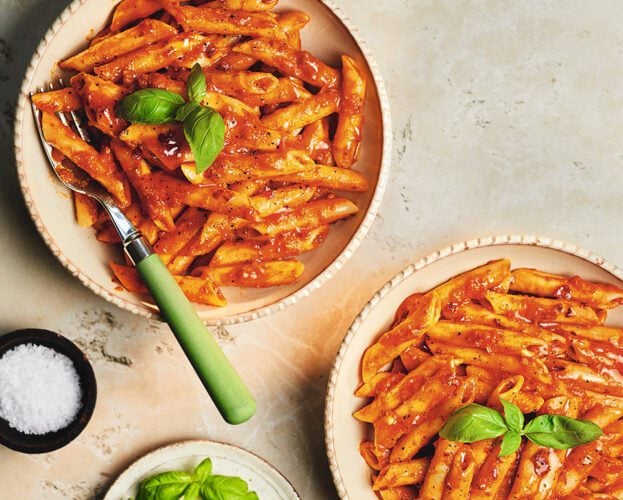
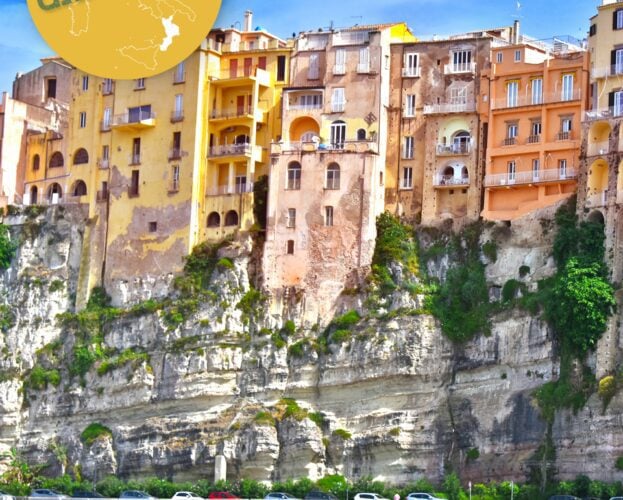
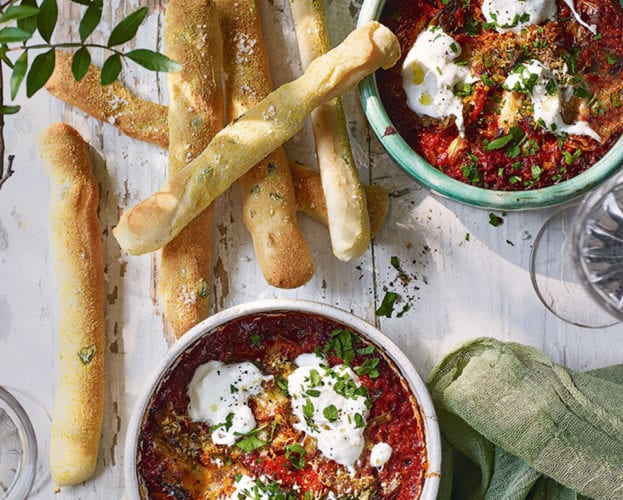
Campania
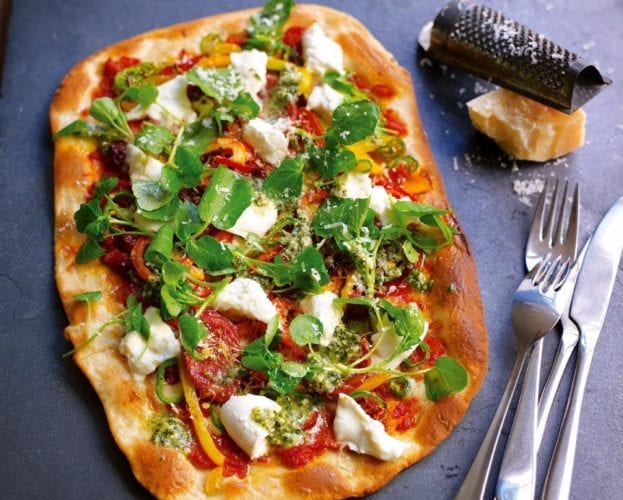
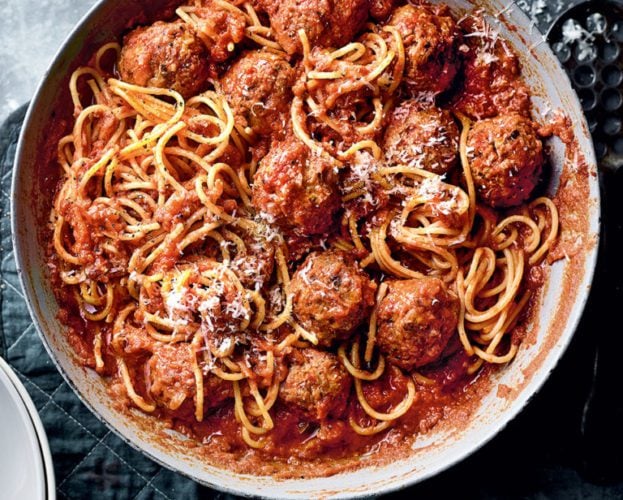
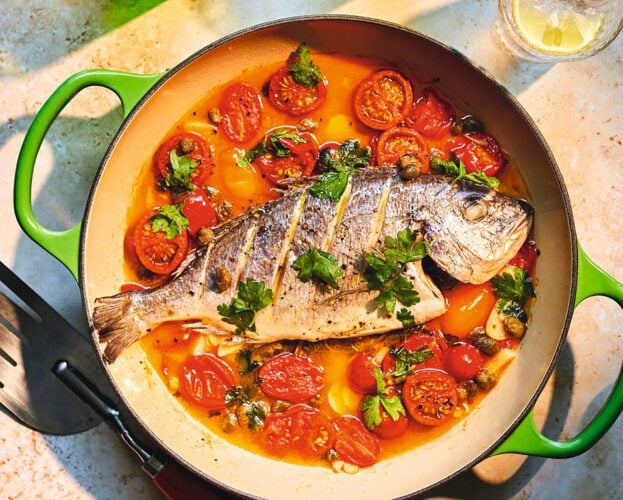
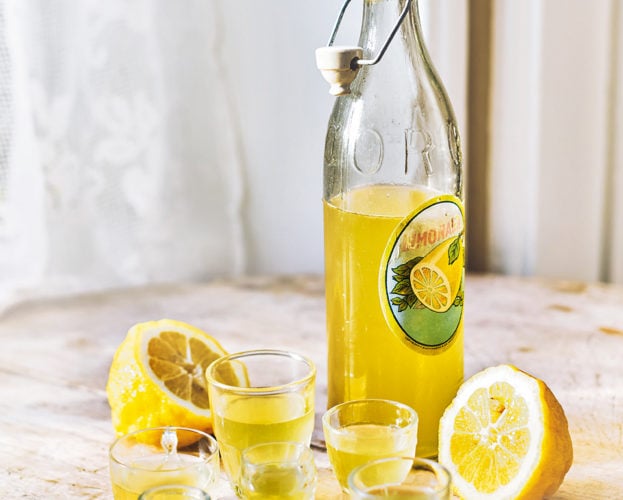
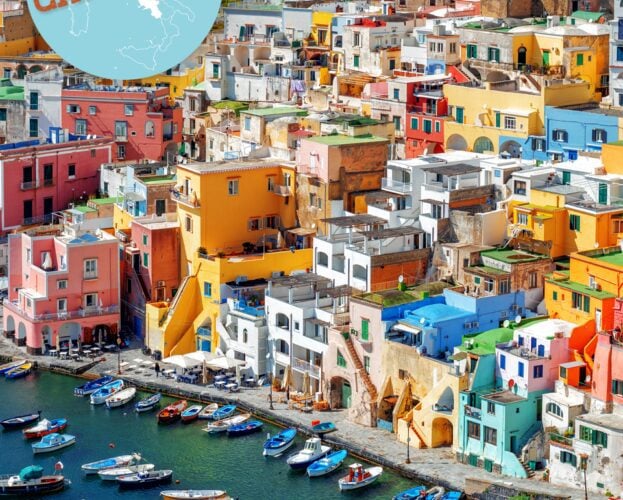
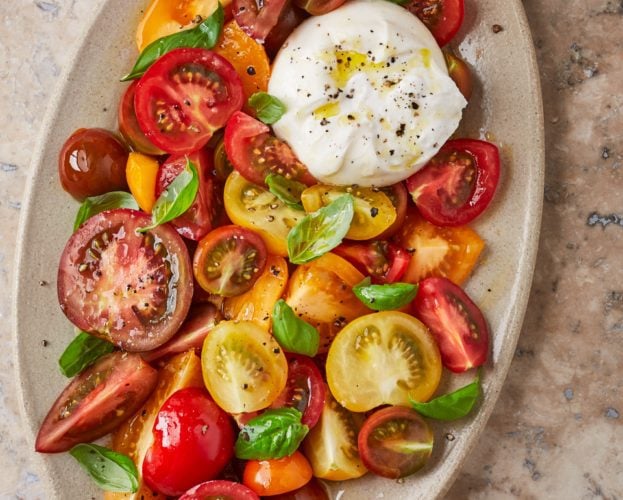
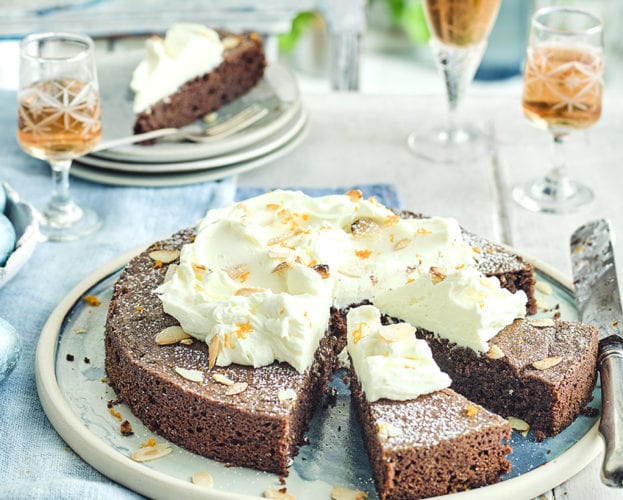
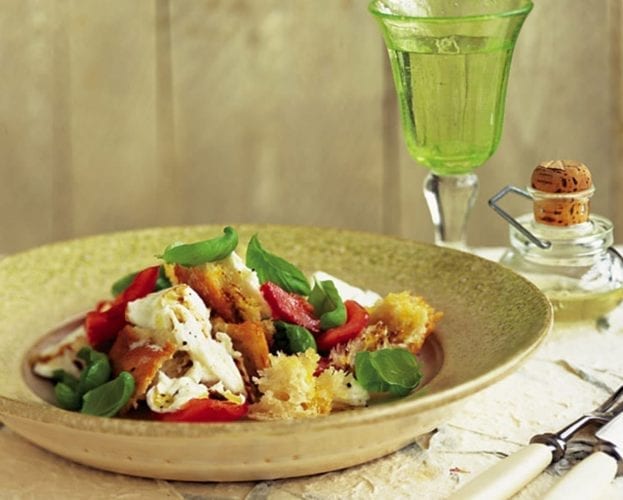
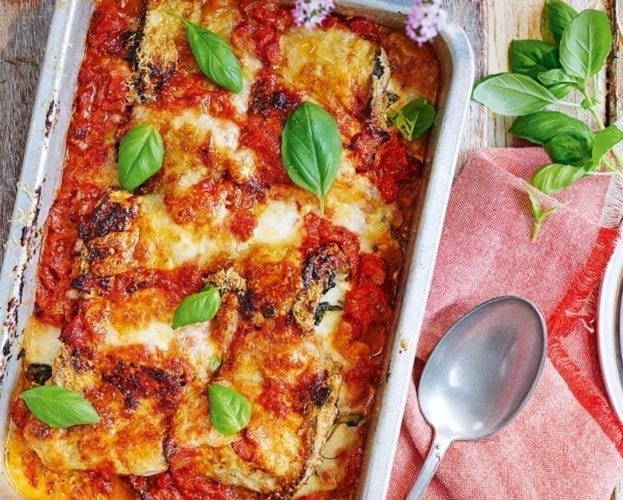
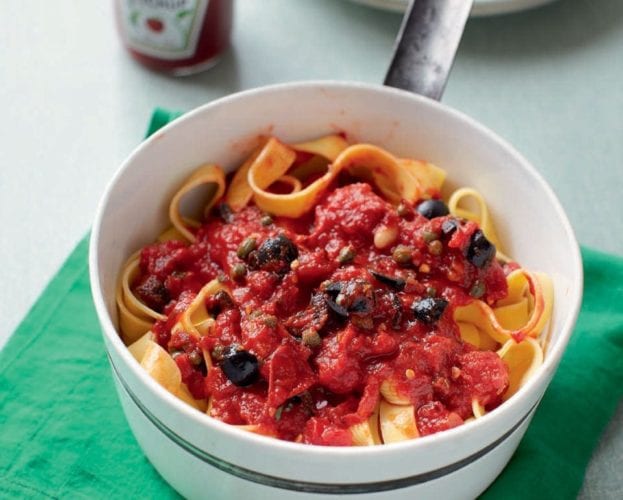
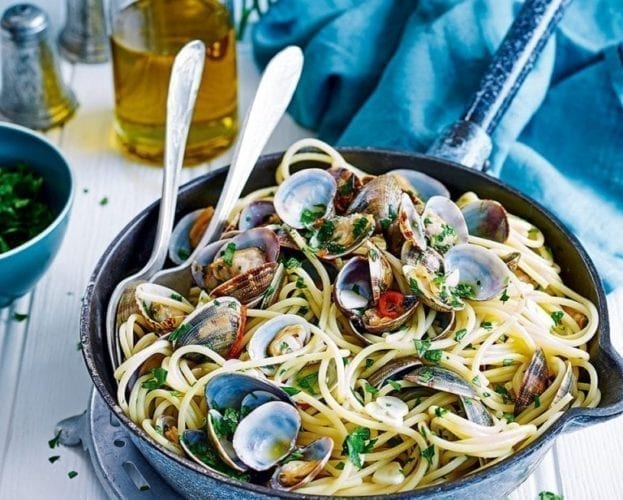
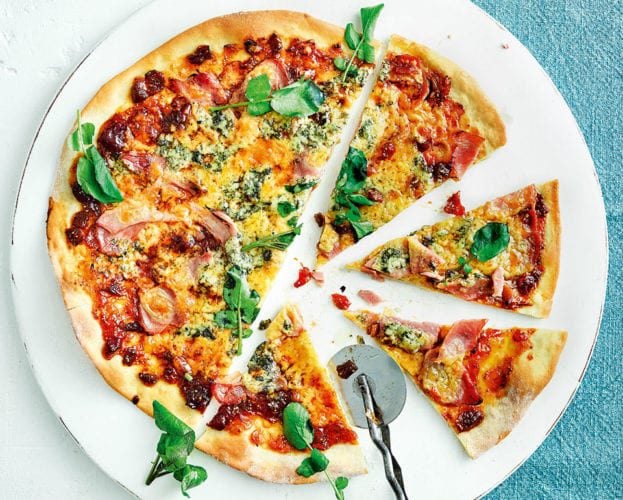
One of Italy’s most visited regions, Campania is home to the world-famous Amalfi Coast and the culinary powerhouse of Naples. It’s the birthplace of pizza, buffalo mozzarella, Caprese salad, and its lemons and anchovies are possibly the best in the world.
We explore all the wonderful ingredients and dishes that make Campanian food so unanimously adored…
Emilia-Romagna
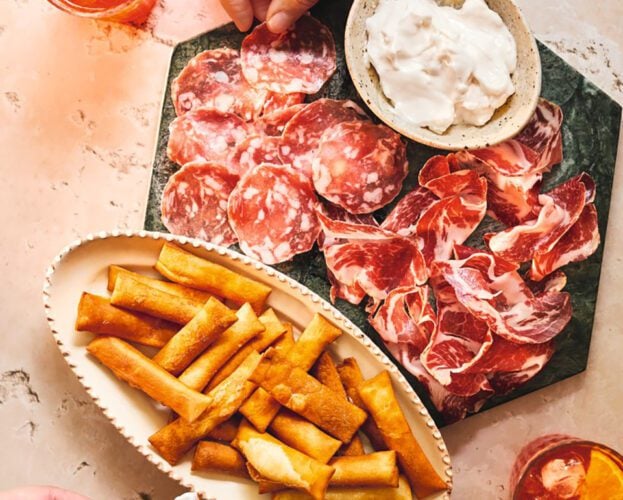
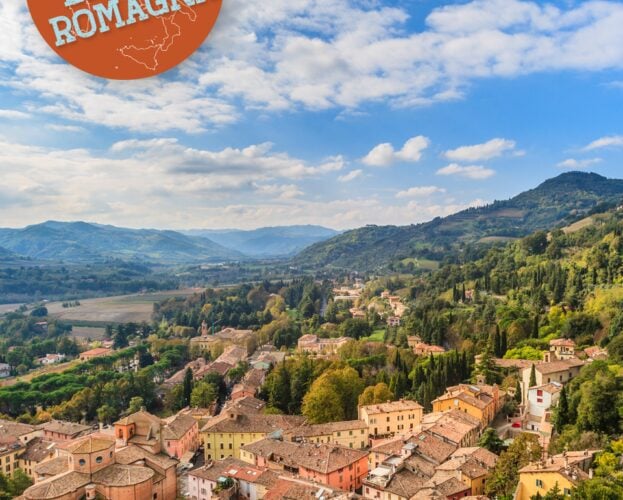
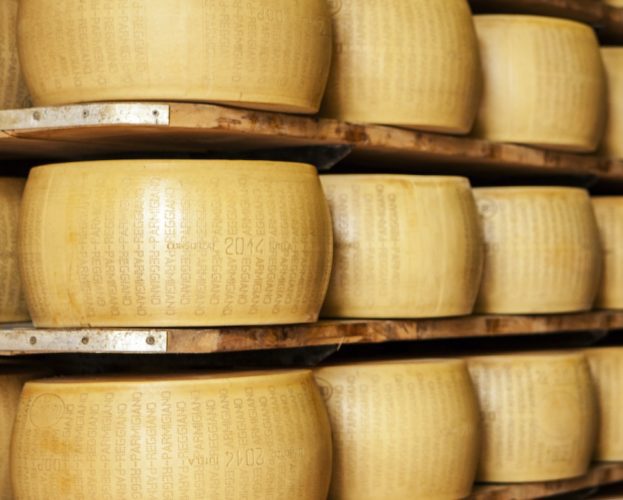
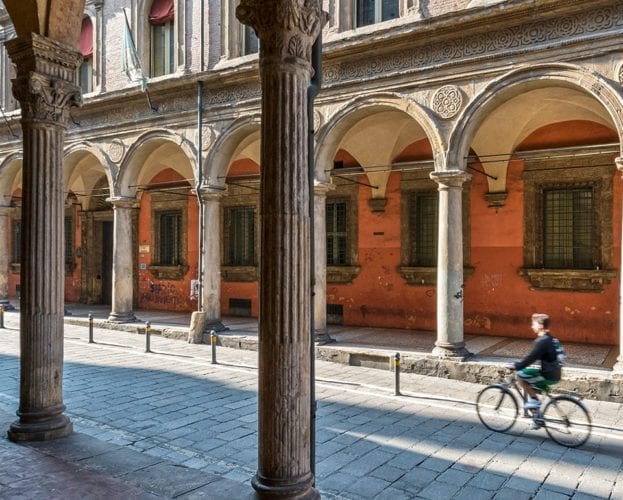
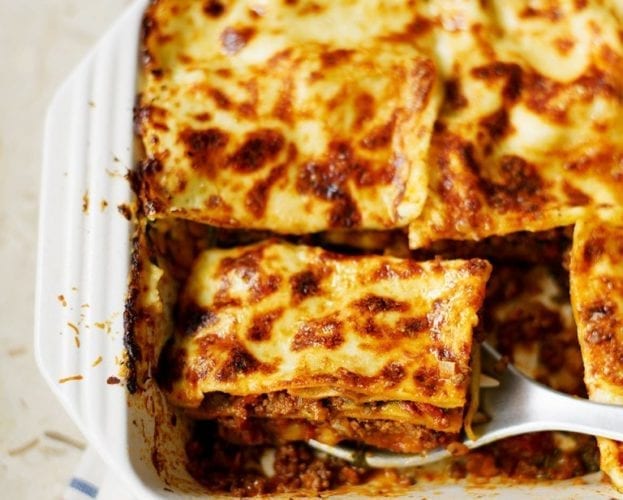
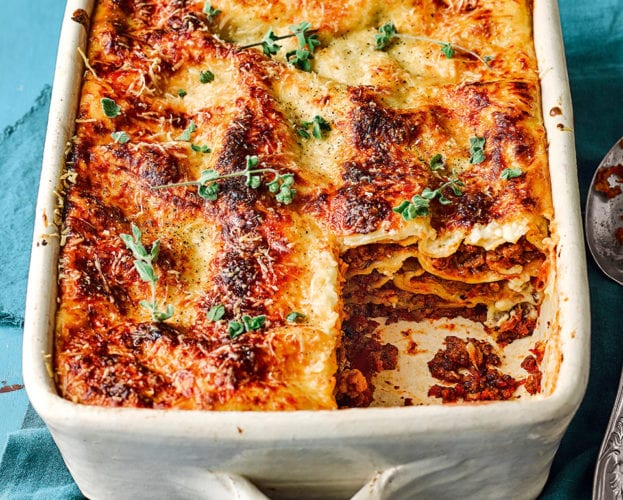
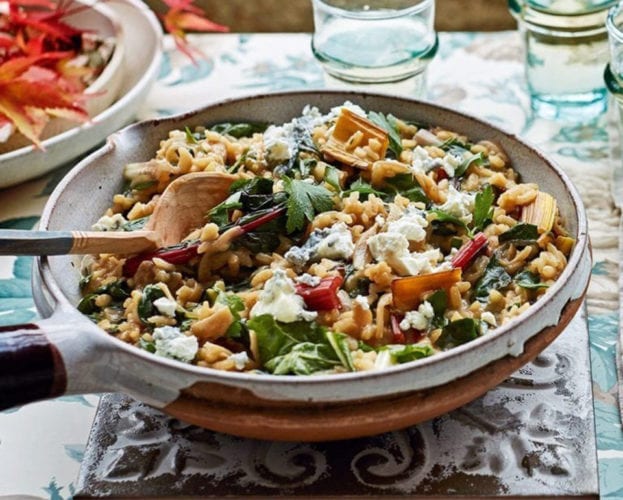
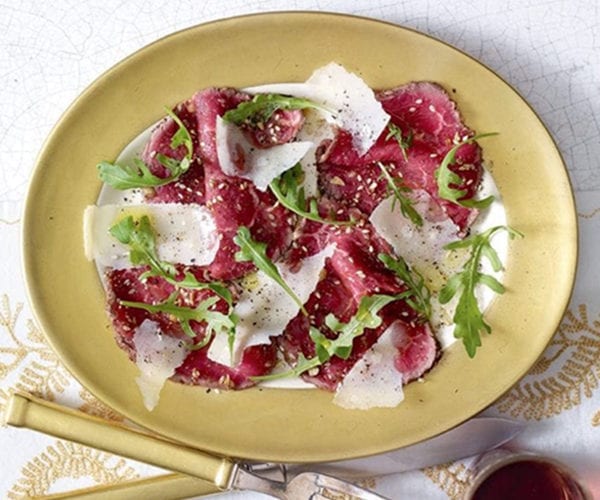
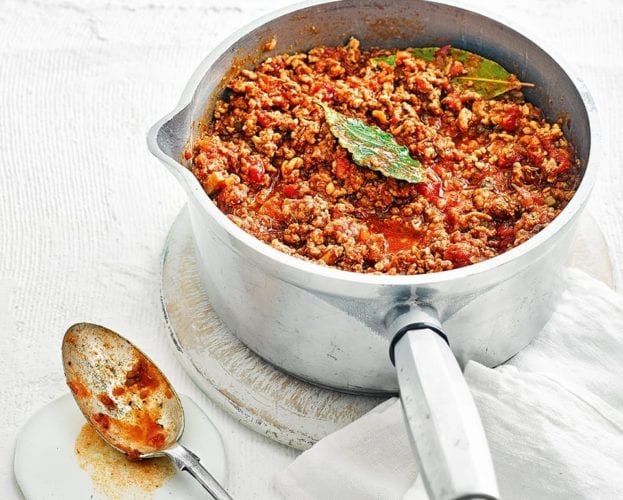
Parmesan. Balsamic vinegar. Mortadella. Prosciutto di parma. Ragù alla bolognese. All these come from Emilia-Romagna, which is why it’s generally regarded as Italy’s culinary capital. The fertile farmland – much of which is given life by the River Po – provides the perfect environment for rearing animals, which is why cheese and salumi feature so famously in the local food.
The commitment to artisanal food production (and how fiercely traditional production methods are protected) is unparalleled in the countryside, while the cultural hubs of Bologna, Modena and Ravenna draw tourists far and wide. Come with us on a journey through the region…
Friuli-Venezia Giulia
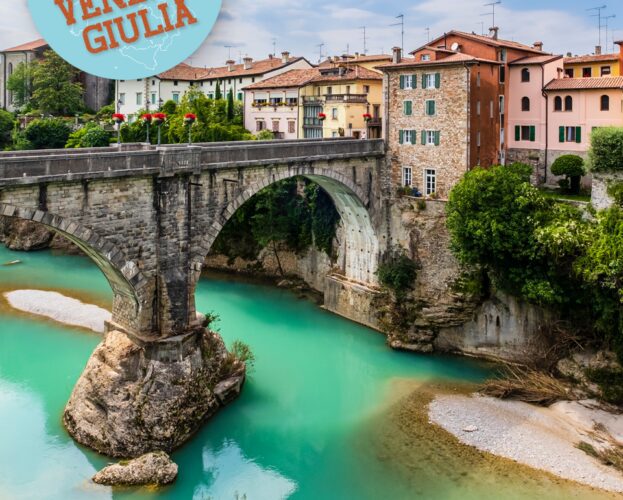
One of Italy’s most varied food regions, Fruili is close to the country’s borders with Austria and Slovenia, so the cuisine is full of sauerkraut-based stews, mountain cheeses and sweets flavoured with prunes and apples. But there is also the influence of Mediterranean flavours from the fish caught along the region’s Adriatic coastline and the beloved local prosciutto di San Daniele.
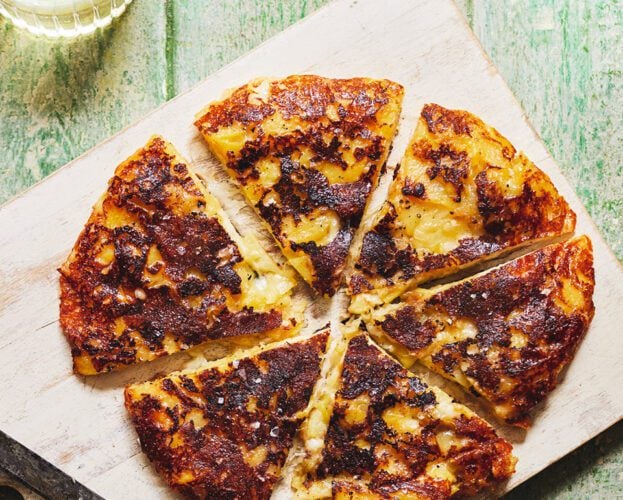
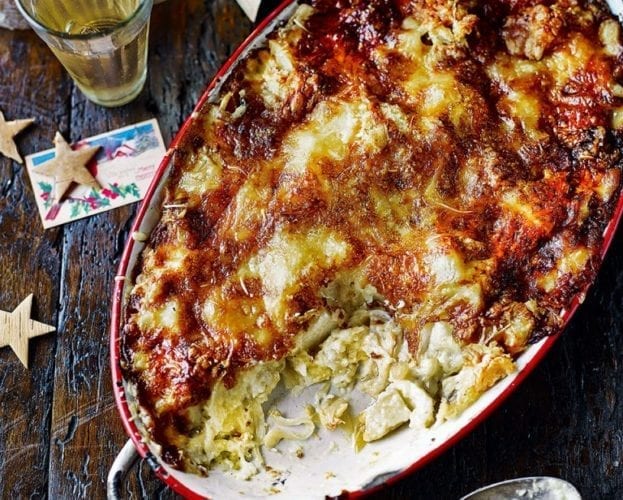
Our star dish from the area is cheesy potato recipe frico – like the love child of fondue and a Spanish tortilla. Paired with a glass of white wine (the region has many fantastic options), it’s a must-try for autumn.
Lazio
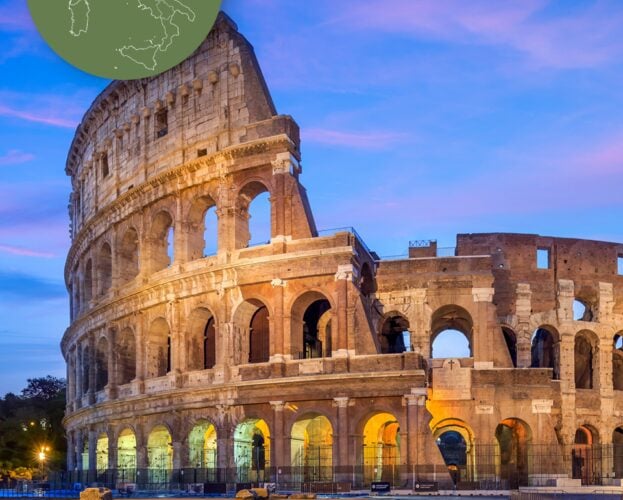
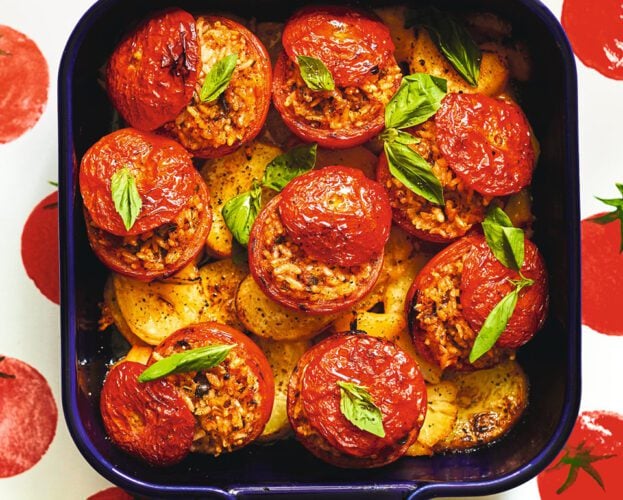
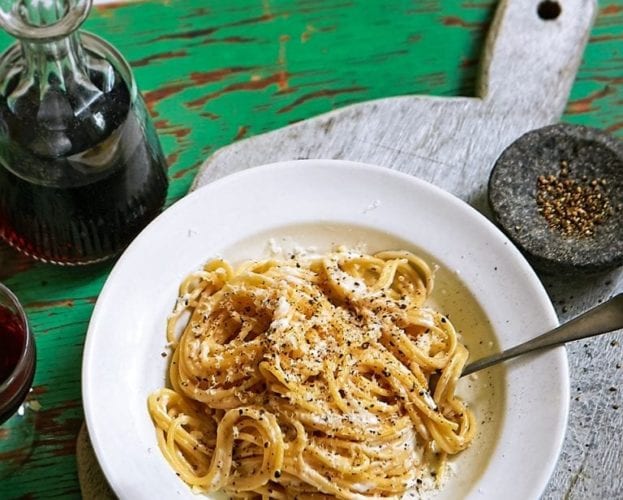
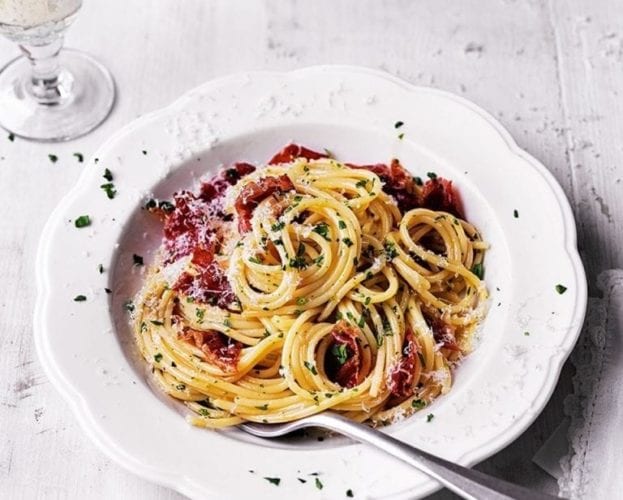
Being home to Rome, Italy’s capital, means the rest of Lazio often plays second fiddle to the grand city. But the fertile farmland, hilltop villages and coast deserve more recognition (and visitors) than they get. In terms of famous recipes, Rome is where it’s at – this is where famous pasta dishes like carbonara and cacio e pepe come from, as do many meat and vegetable dishes, all named ‘alla romana’ to ensure their origin is never disputed.
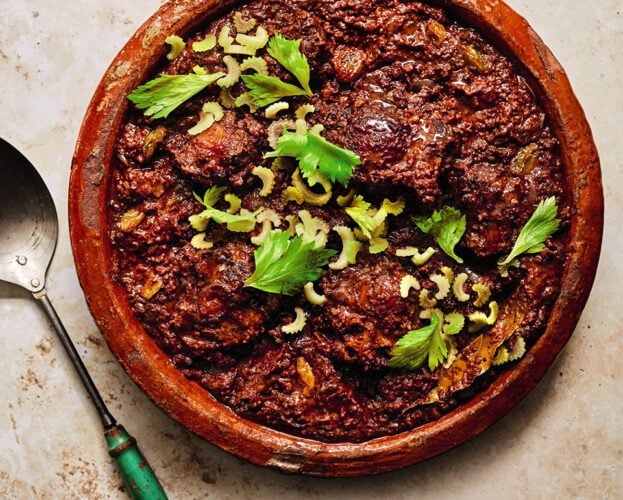
Plus: chef Leonardo Pieri Buti shares a traditional oxtail stew recipe that tastes even better eaten the next day and is ideal for the seasonal shift into autumn.
Le Marche
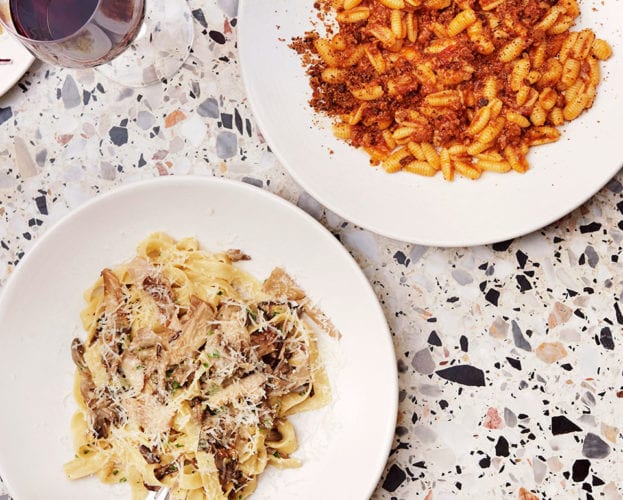
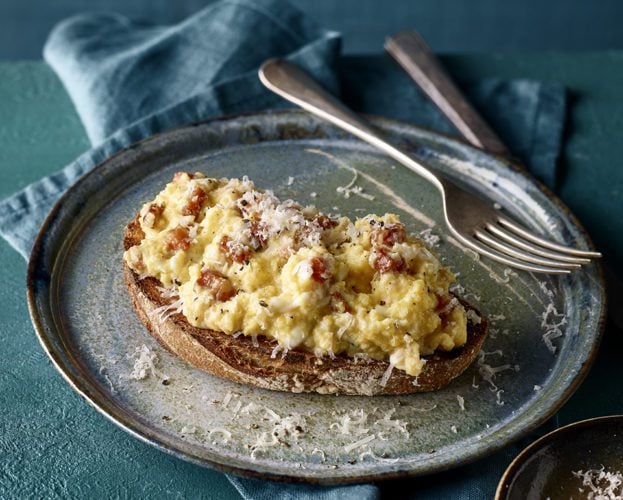
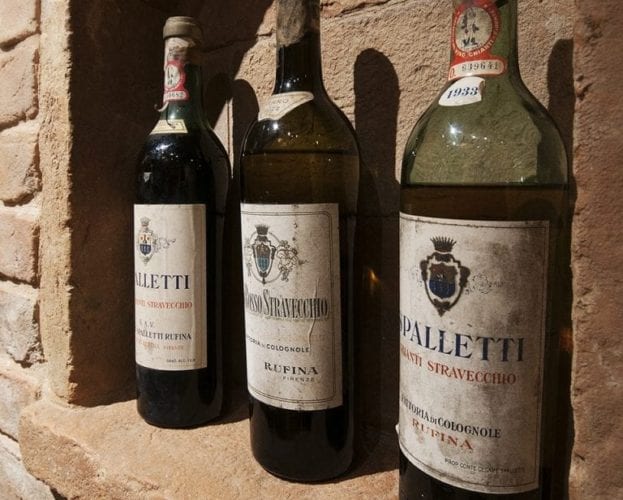
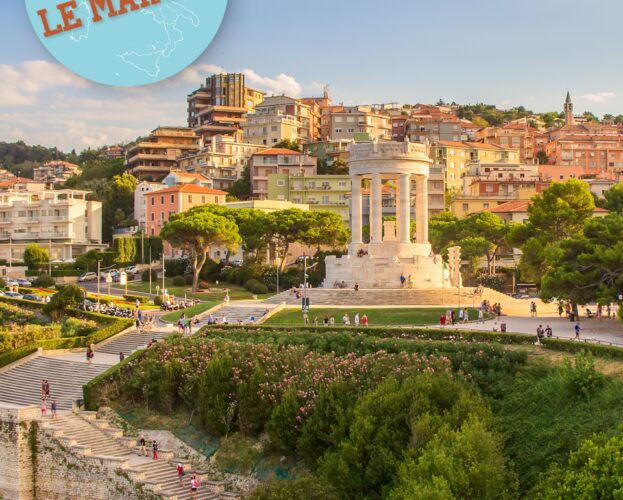
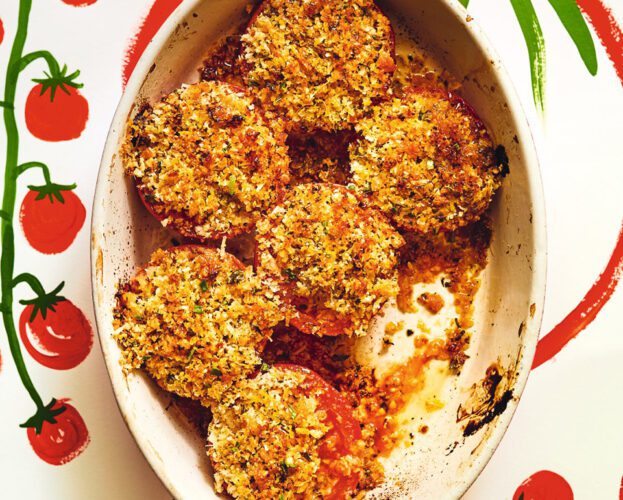
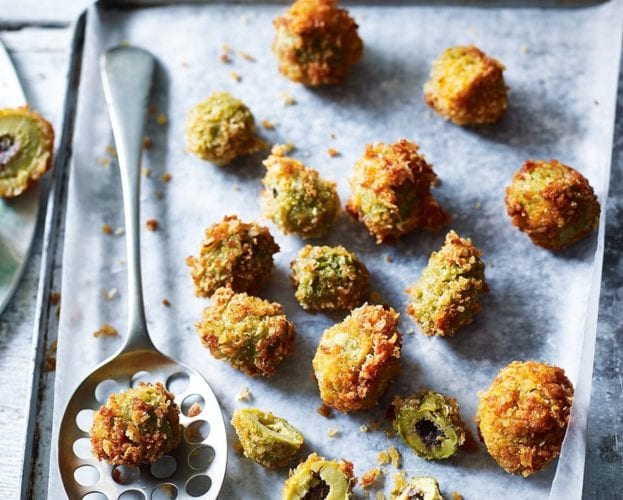
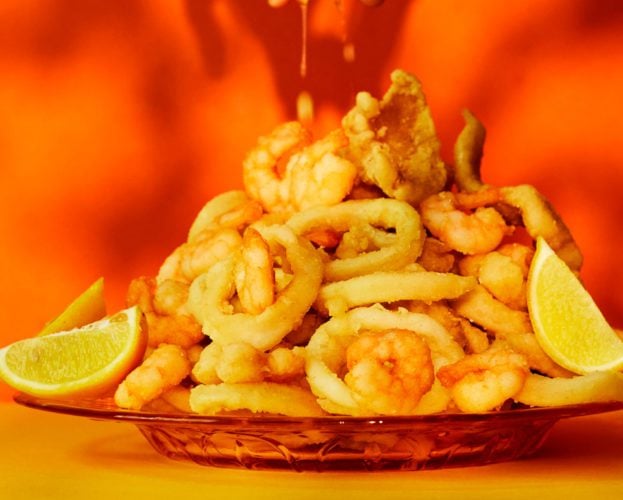
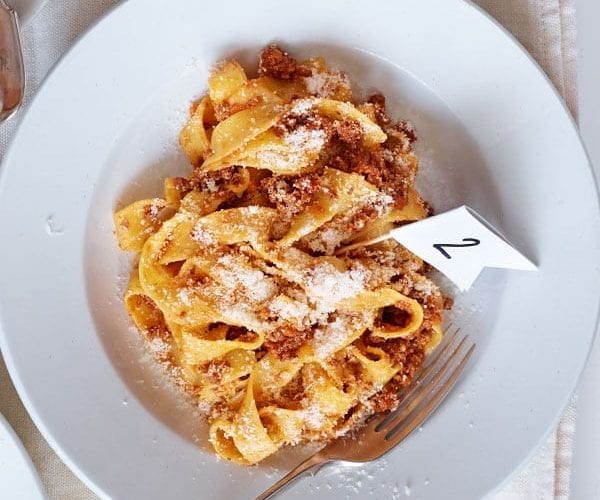
Surrounded by culinary big-hitters like Tuscany, Emilia-Romagna and Lazio, the food of Le Marche (or just Marche) can sometimes get overlooked. But this central region has some fantastic dishes to offer, be they from its long stretch of coastline or further inland, where a love of both meat and deep-frying naturally results in some delicious treats.
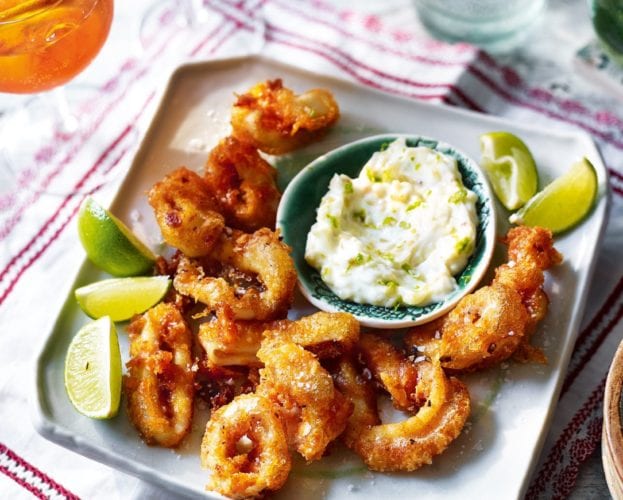
We explore which dishes the region is known for, including deep-fried olives (yes please), fritto misto and fisherman’s stew.
Liguria
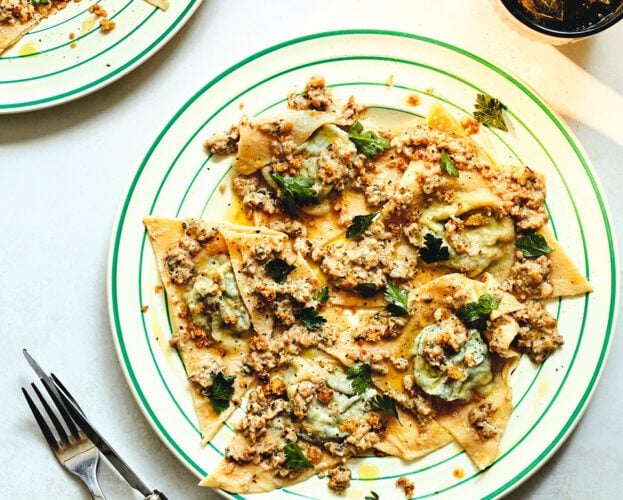
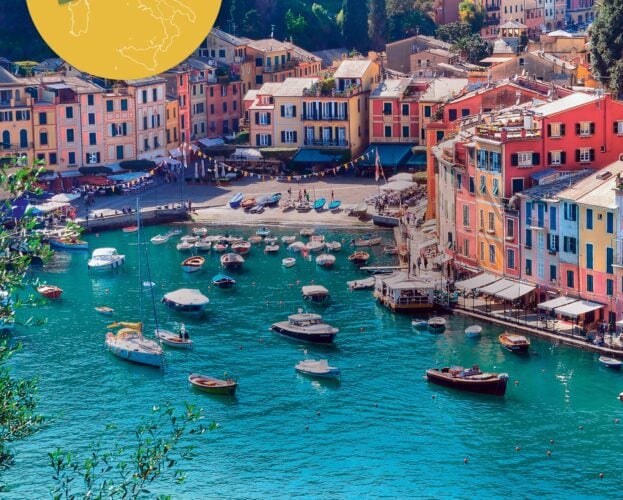
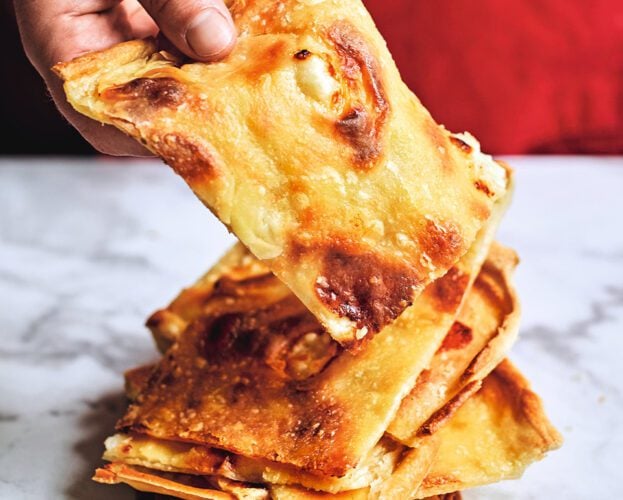
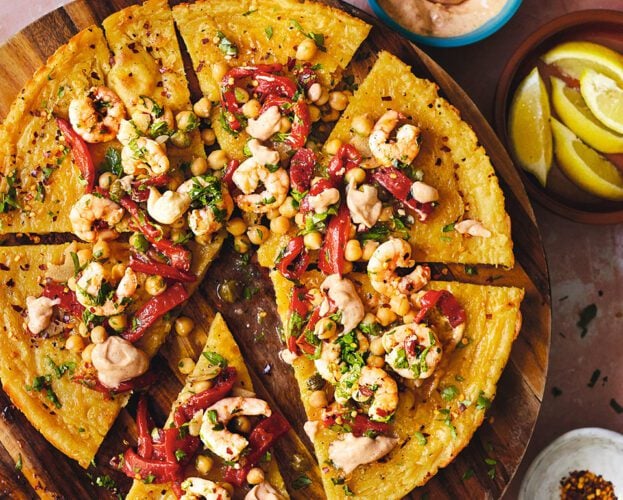
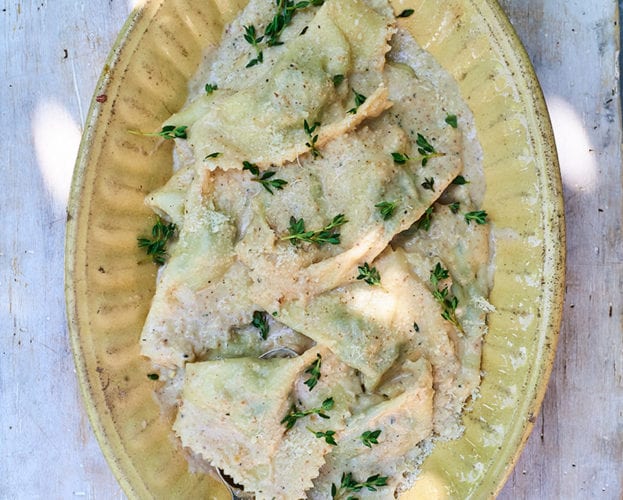
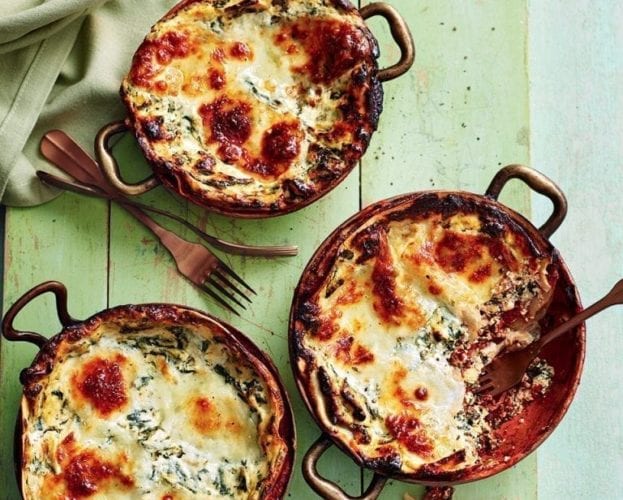
Discover the food, drink and dishes Liguria is best known for with our food lover’s guide to the region. Fish is obviously prevalent in the local dishes, but what sets Liguria apart from other coastal regions is its particular love for vegetables. Potatoes, courgettes, beans and asparagus are all more popular than even tomatoes, which tend to be surprisingly elusive in traditional Ligurian dishes.

Lombardy
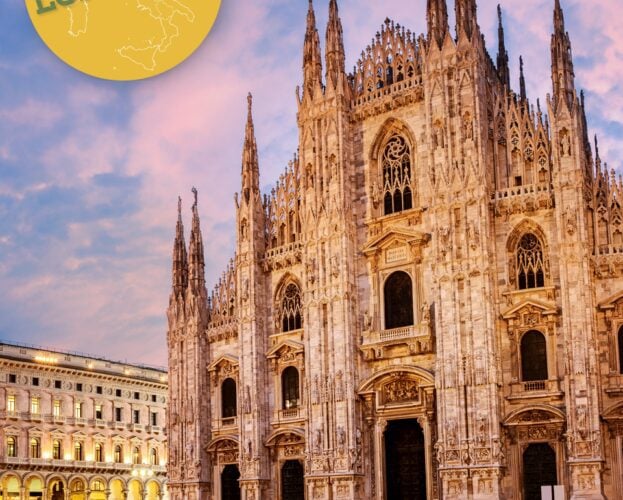
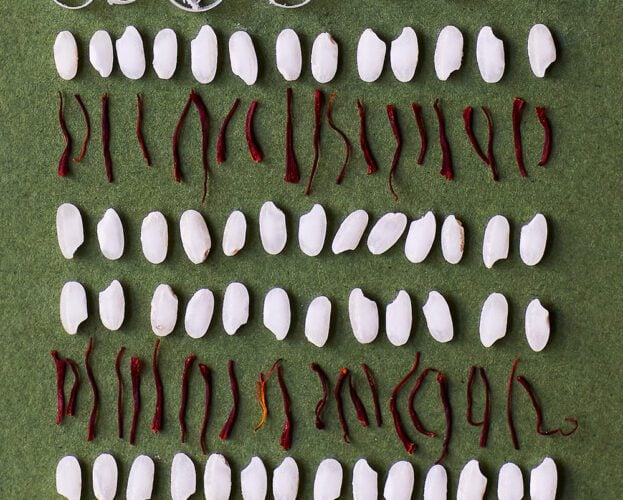
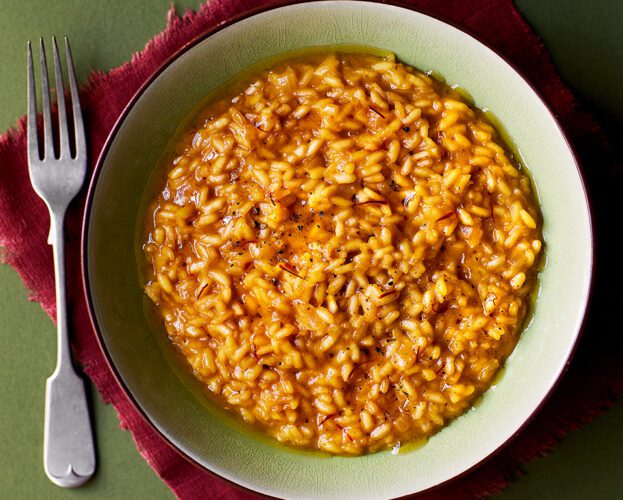
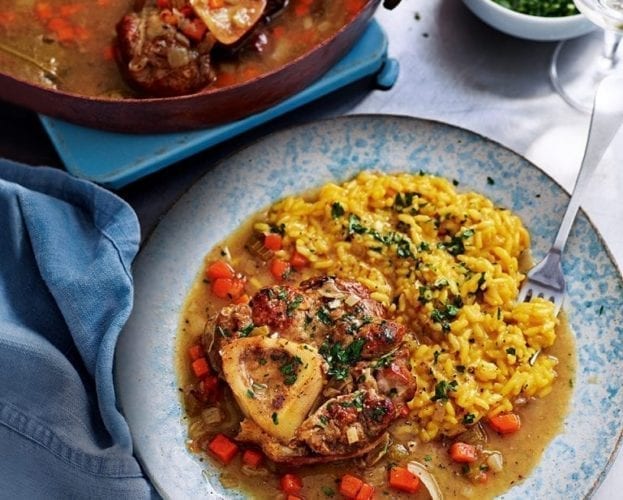
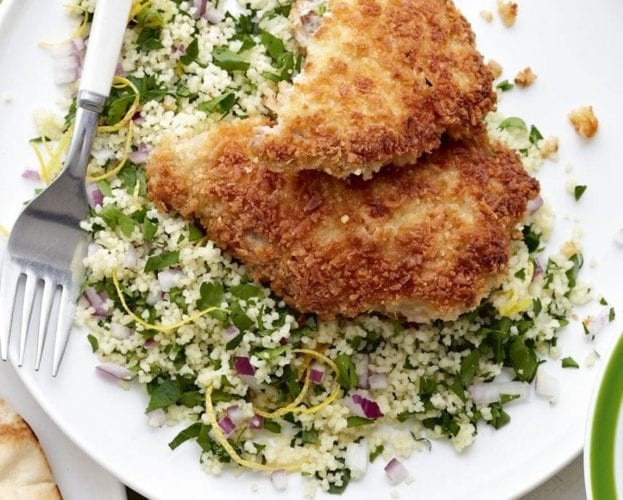
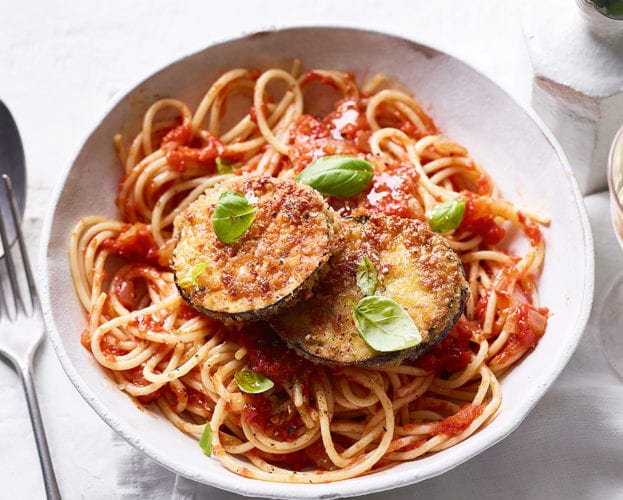
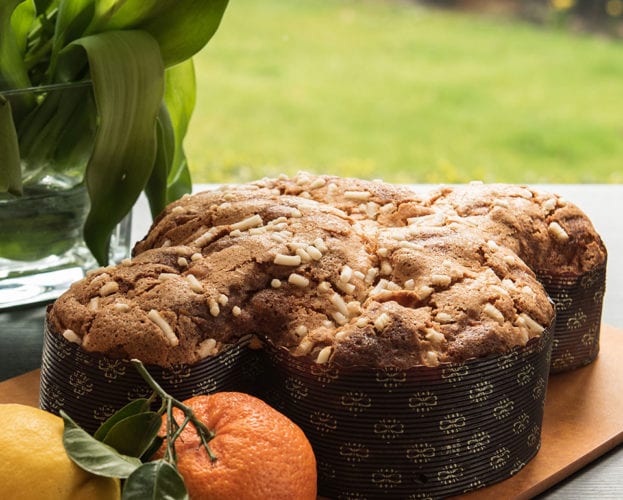
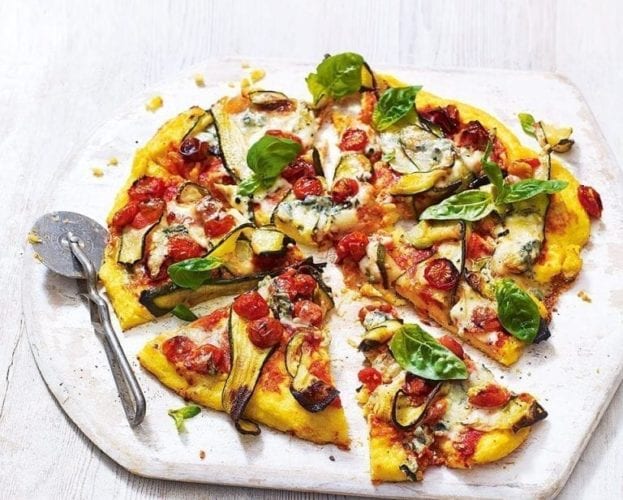
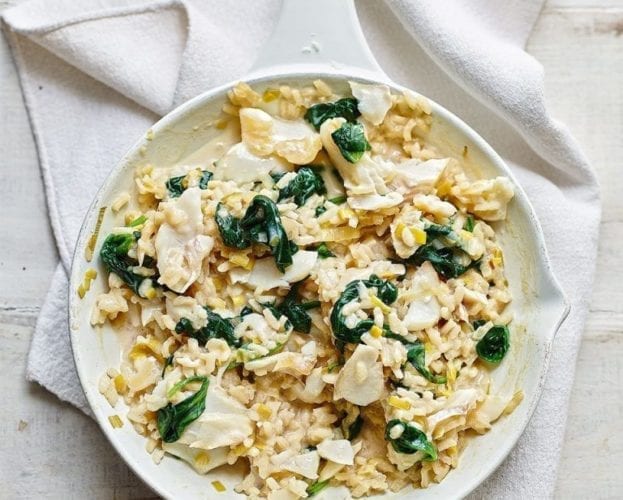
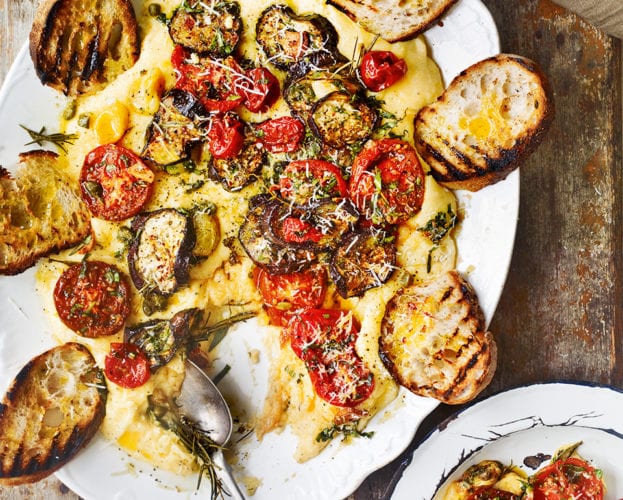
Boasting huge lakes, vast rivers, towering mountains and the cultural capital of Milan, Lombardy’s cuisine is in stark contrast to the humbler, fresher food of southern Italy. Rich butter and cheese sit alongside luxurious saffron and veal, with rice and polenta a more common sight than pasta (although stuffed egg-based pastas like tortelli are popular). Some of Italy’s most famous cheeses were invented here, freshwater fish from the lakes are highly prized and there’s an interesting sweet-savoury theme running throughout local dishes.
Molise
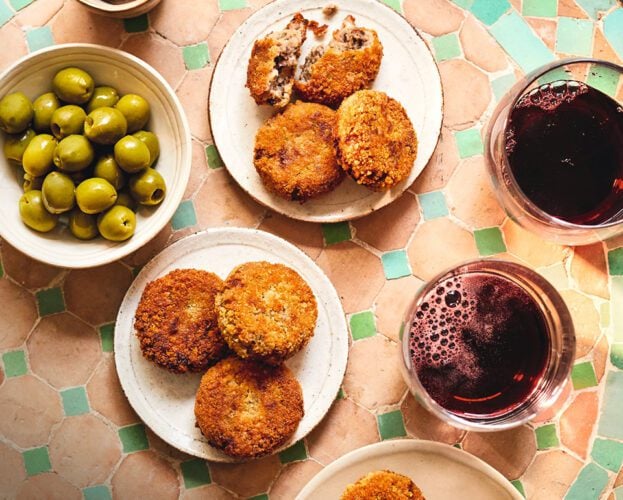
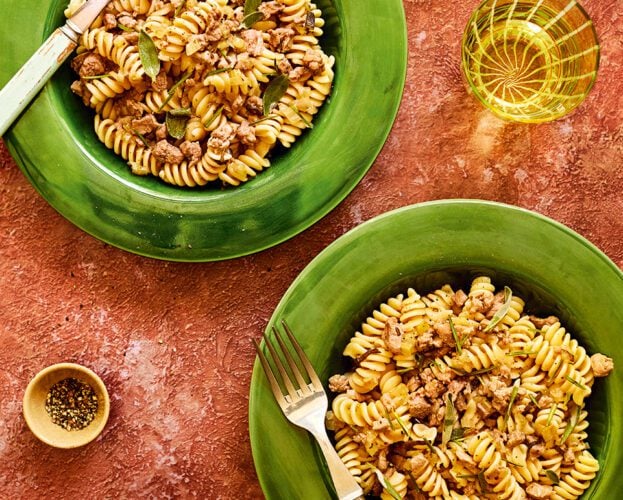
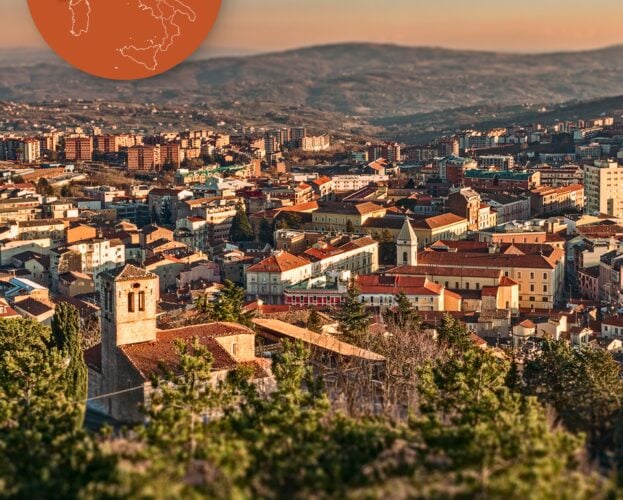
For Italy’s youngest and second-smallest region (only beaten by the Valle d’Aosta in the far north), Molise has had to fight hard to establish itself on Italy’s culinary stage. Its food, naturally, shares many similarities with its neighbour Abruzzo; simple and rustic with a large focus on pasta and bread. But Molise has some culinary greatest hits of its own.
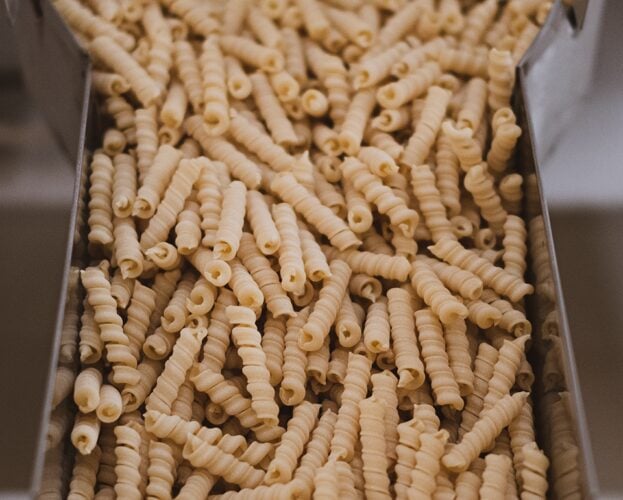
This is where fusilli comes from, the spiralled pasta shape that’s now a supermarket staple. Often paired with a lamb ragù – the meat of choice in the region – or the more spectacular Molisan ragù (which contains three different meats), there’s also a local taste for offal and diavolina (the local chilli variety), which are used to flavour the salumi and sizzling pampanella (spicy roast pork) sold from street food carts.

Piedmont
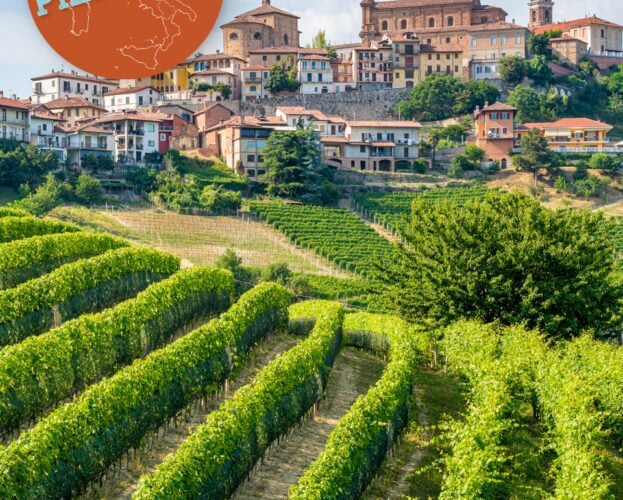
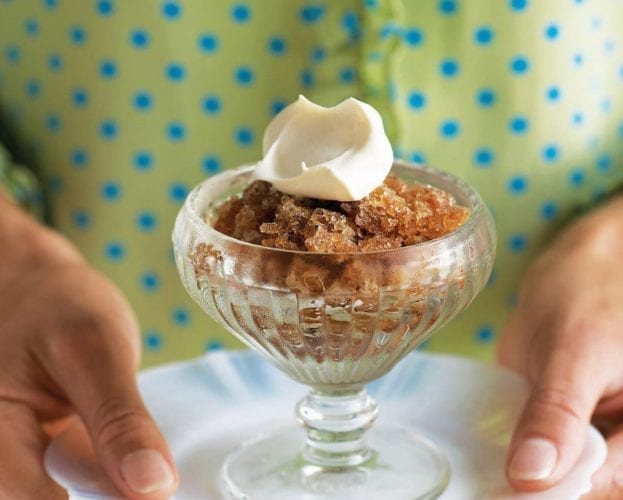
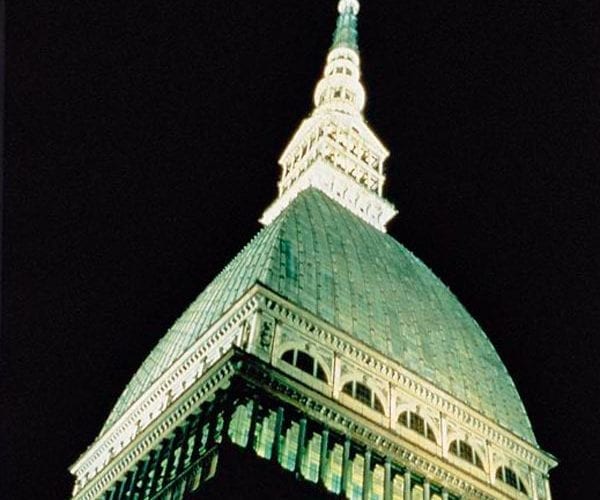
A huge region (second only to the island of Sicily), Piedmont is home to rugged mountains, vast farmland and the city of Turin – all of which have contributed to one of the most gastronomic parts of Italy.
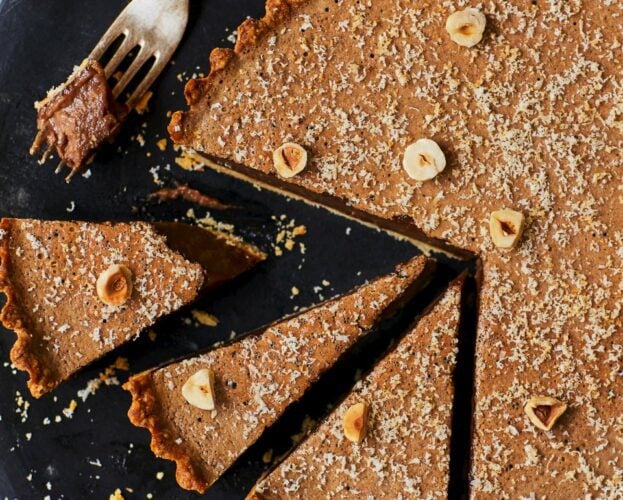
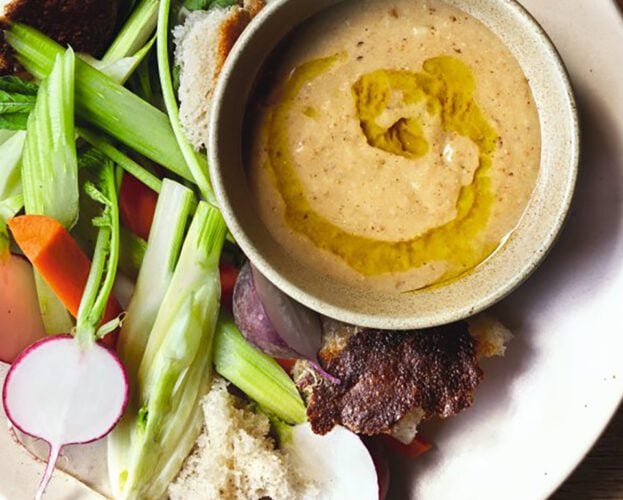
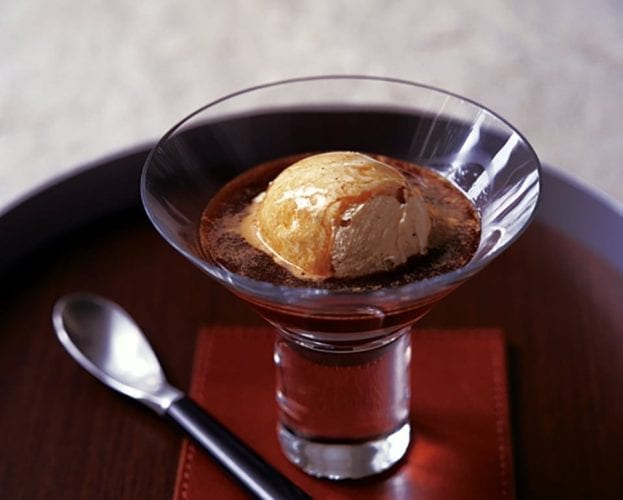
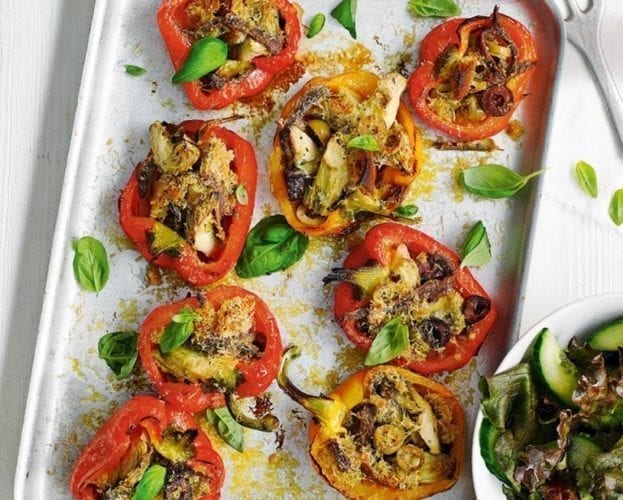
Being based in the north of the country (traditionally where the wealthy lived) means truffles, prime cuts of meat and rich egg-based pasta dishes feature prominently in the local cuisine, as do chocolate and coffee (Turin is responsible for giving the world both espresso and gianduja, the combo of cocoa and hazelnuts that gave birth to Nutella).

Puglia
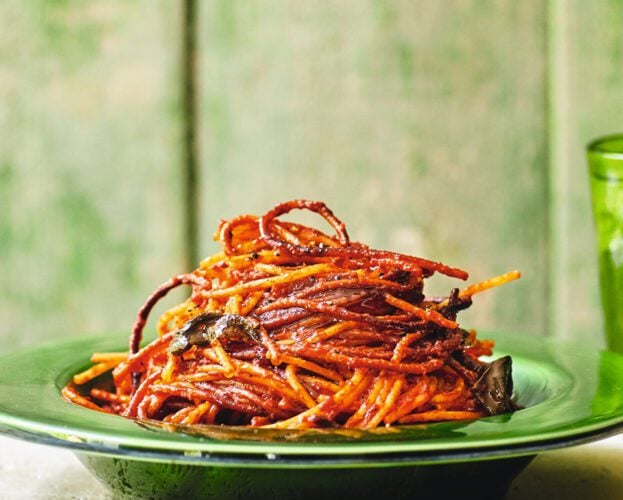
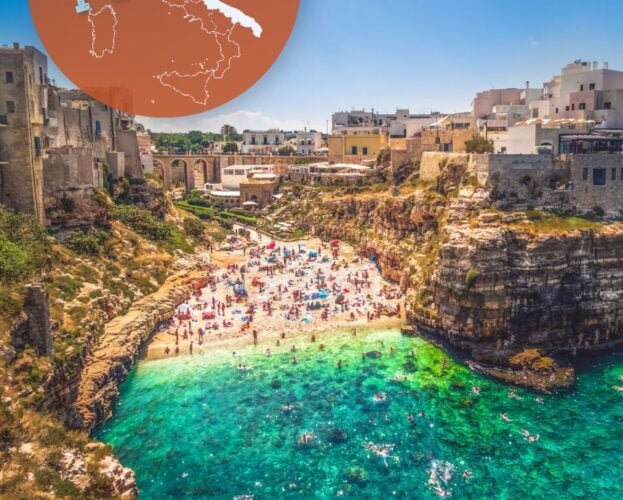
The heel of southern Italy’s ‘boot’, Puglia is a powerhouse of food production. It’s responsible for nearly half of Italy’s total olive oil production, bottles more wine than any other region and its generally flat farmland is where the majority of the country’s durum wheat (which is used in a lot of pasta and bread recipes) is grown. No wonder it’s known as the bread basket of Italy.
Despite this output, Puglia is traditionally a poor region – something that’s reflected in the food. Simple dishes make the most of what’s at its best, with meat (the most common being lamb) traditionally more of a special occasion treat. Along the beautiful coast, fish and seafood become more prominent, but it’s really the seasonal vegetables, egg-free pastas and golden breads that stand out in this part of Italy.
Sardinia
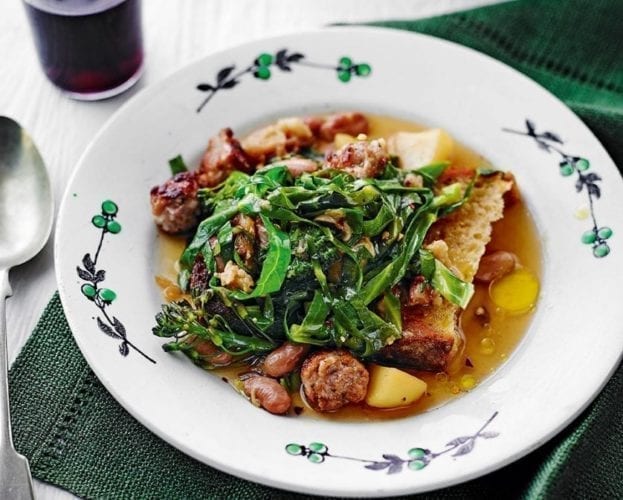
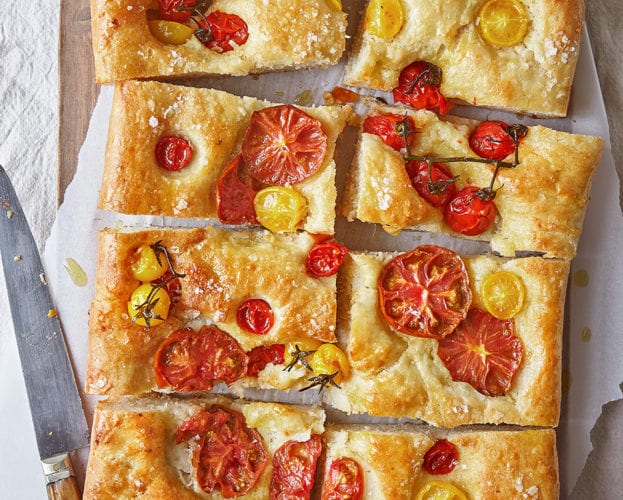
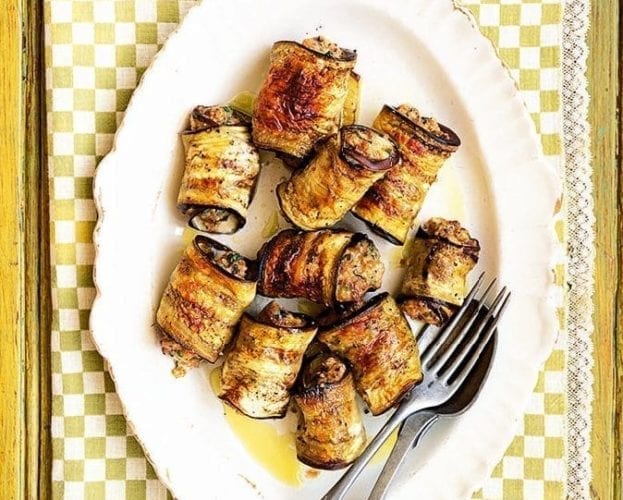
Being an island means Sardinia is a distinct part of Italy. It has its own indigenous language, clothing and music as well as its standout cuisine. There’s obviously a strong Italian influence on the food, but you’ll also find touches of North African, Spanish and French flavour – an echo of the island’s past rulers.
The importance of semolina (coarsely milled durum wheat) means bread and eggless pasta is ubiquitous, often served with the island’s incredible artichokes or flavoured with its saffron, and it produces the vast majority of pecorino romano, a firm sheep’s cheese exported all over the world. Despite being an island, meat is traditionally more common than fish – the mountainous centre is home to lots of sheep and goats (45% of all Italy’s sheep, in fact) as well as wild game, which play an important role in some of Sardinia’s most beloved dishes.
Sicily
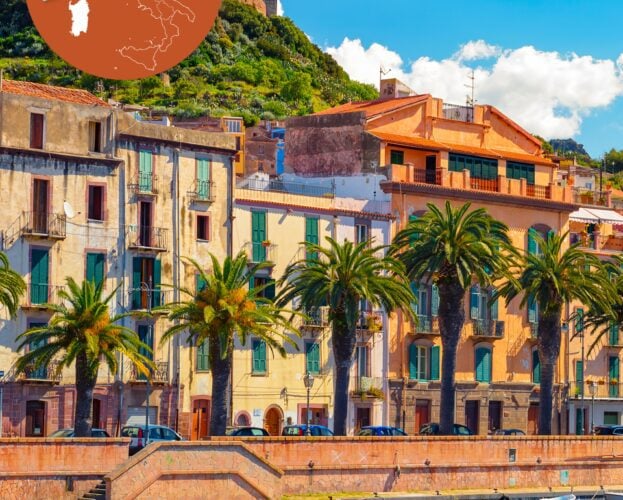
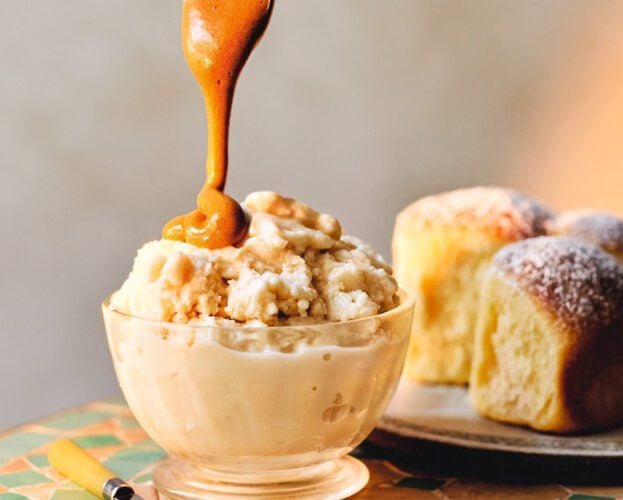
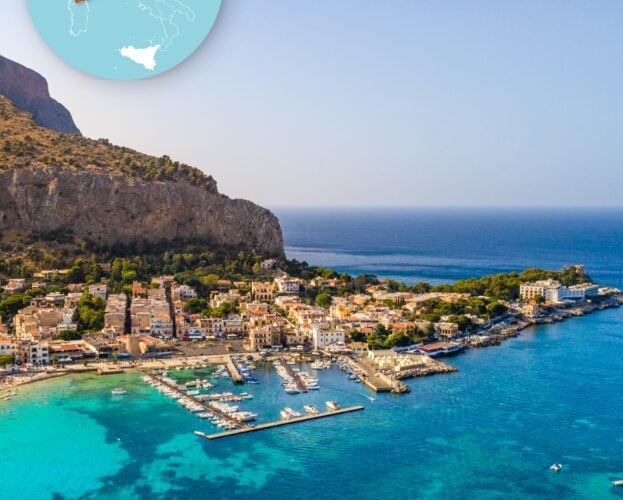
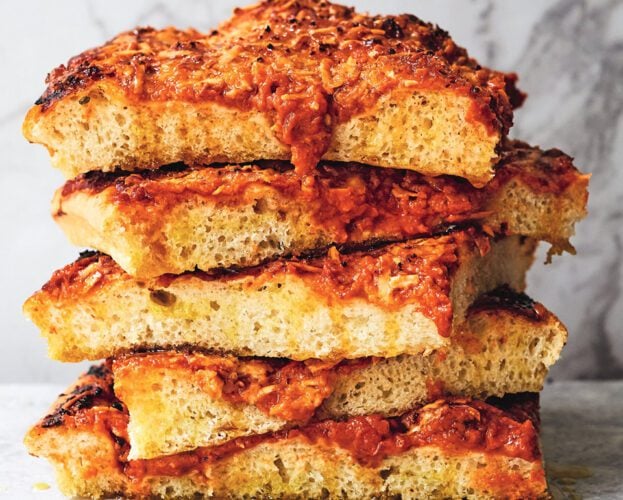
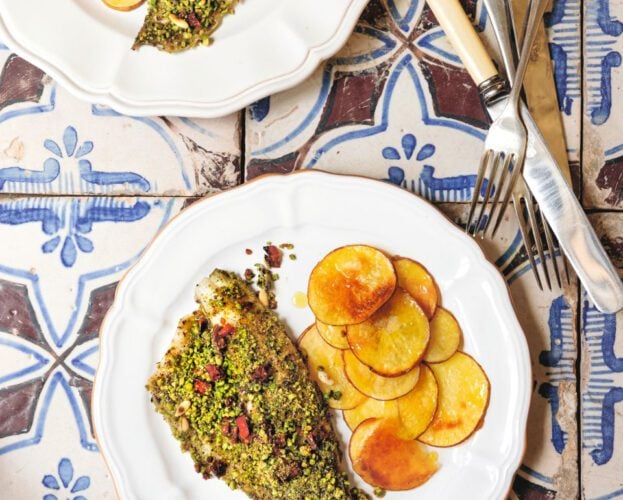
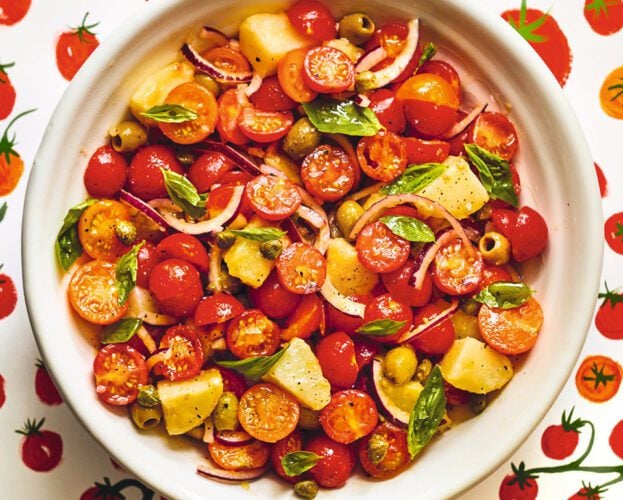
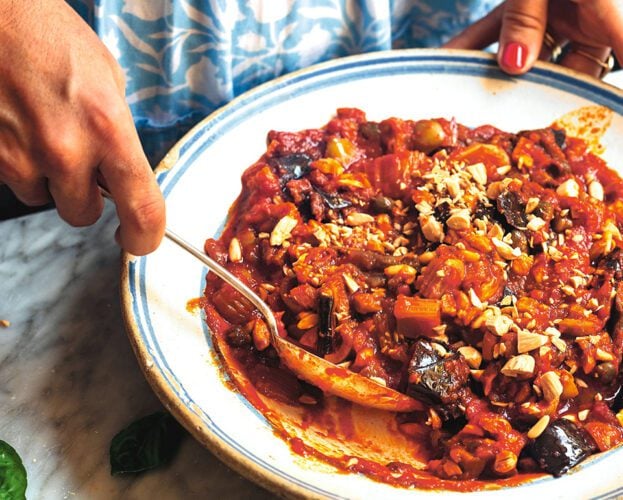
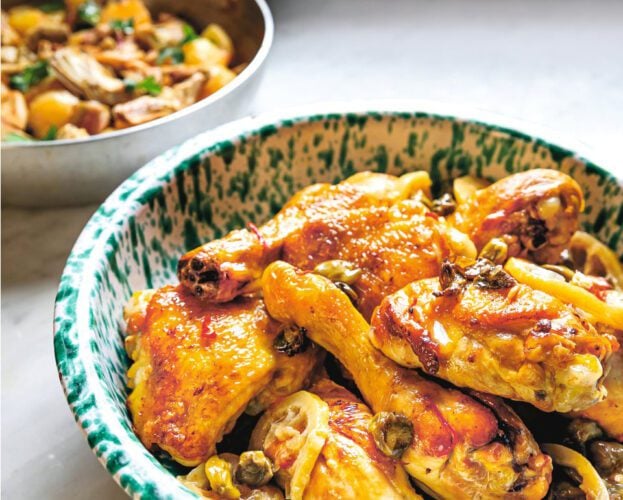
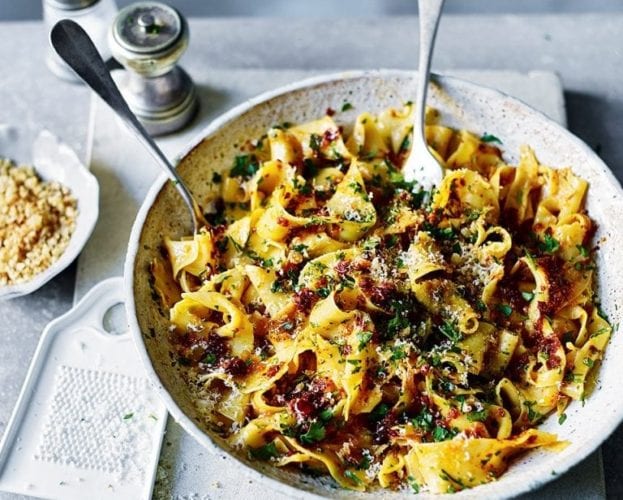
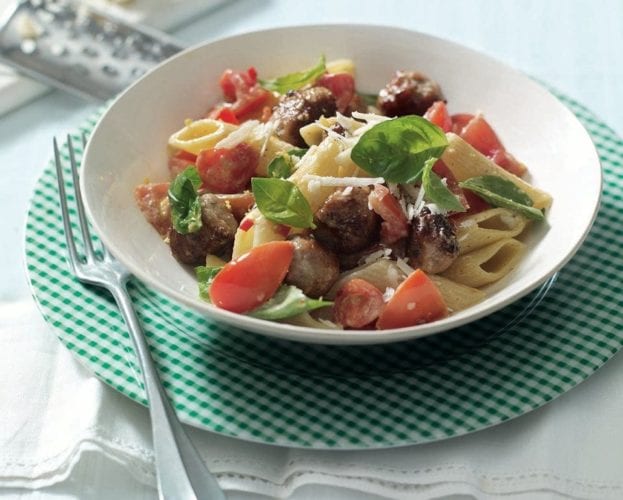
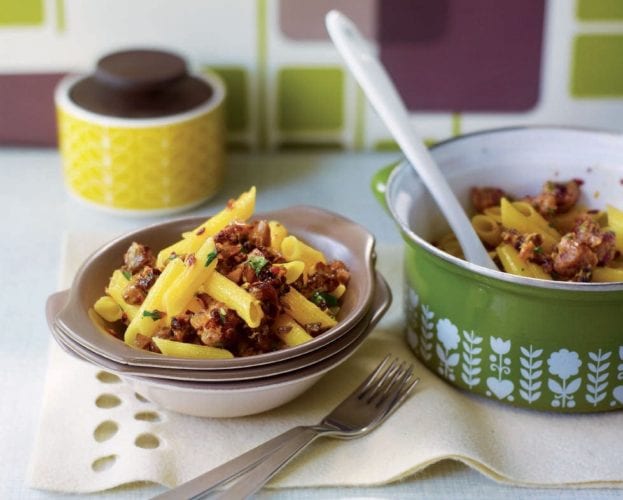
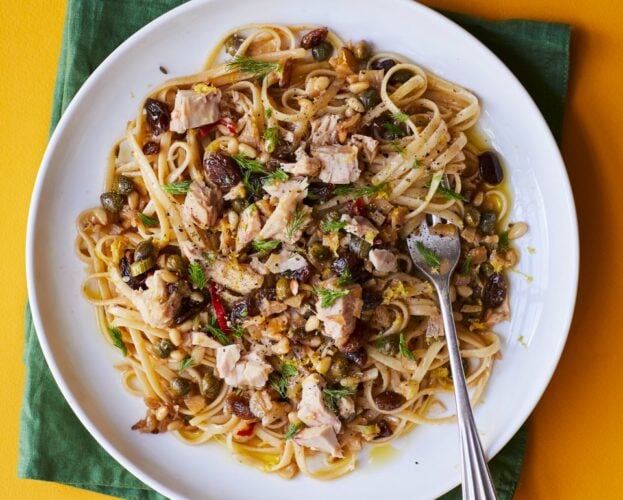
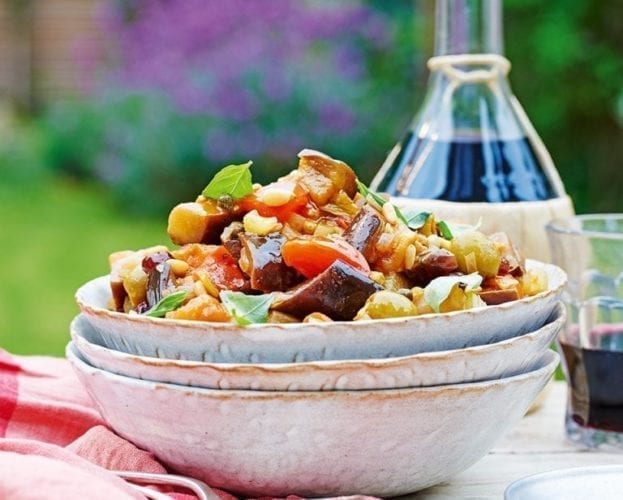
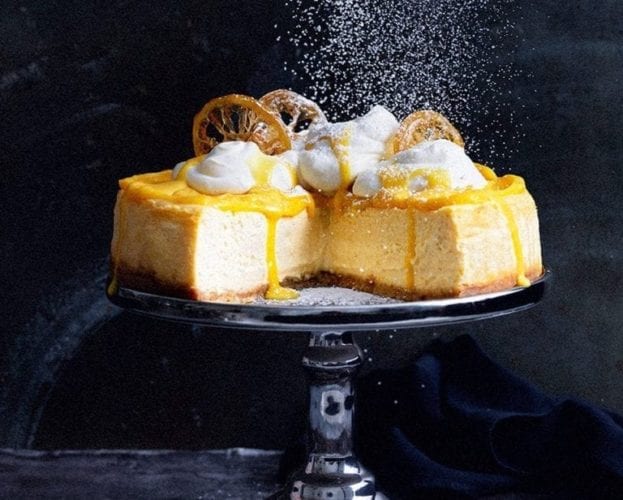
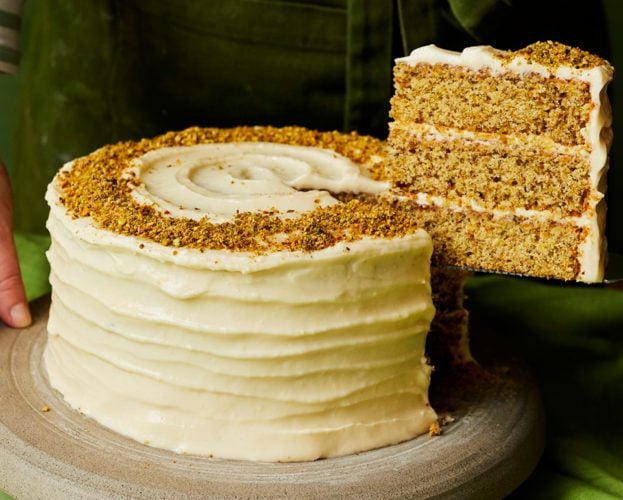
Despite its official status, it’s hard to find a Sicilian who considers themselves Italian. This island is a nation unto itself, with a culture heavily influenced by Arabic, Greek, Spanish and North African art, architecture, music and, of course, food. Shadowed by the towering (and still active!) volcano Mount Etna, the island has rich soils and produces some of Italy’s best ingredients, from pistachios and capers to tomatoes and lemons.

Trentino-Alto Adige
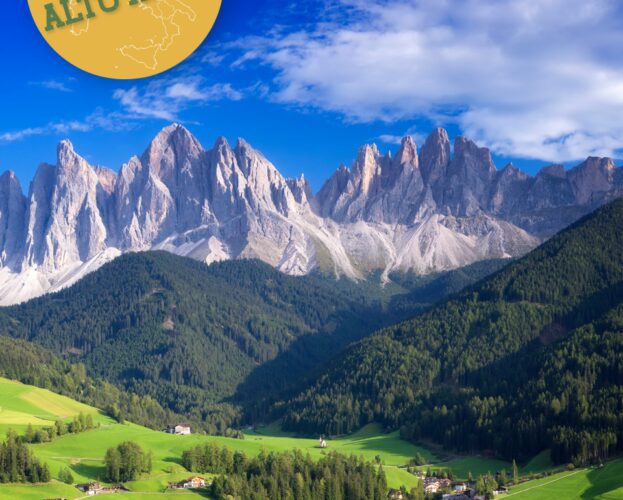
As Austrian as it is Italian, this region is – as its name suggests – made up of two halves. Trentino is a mix of mountains, lush valleys and lakes, while the northern half Alto Adige (also known as Südtirol or South Tyrol) is almost exclusively mountainous, with lots of forests. The Dolomites are the main draw – especially for skiers in the winter months – but there’s a unique food scene that’s heavily influenced by Germanic and Eastern European cuisine.
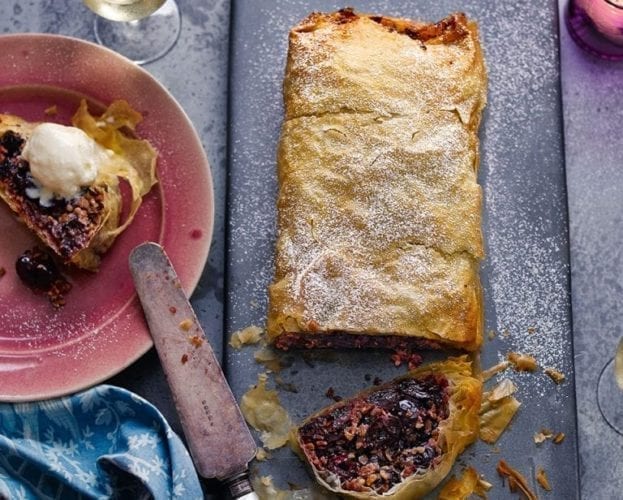
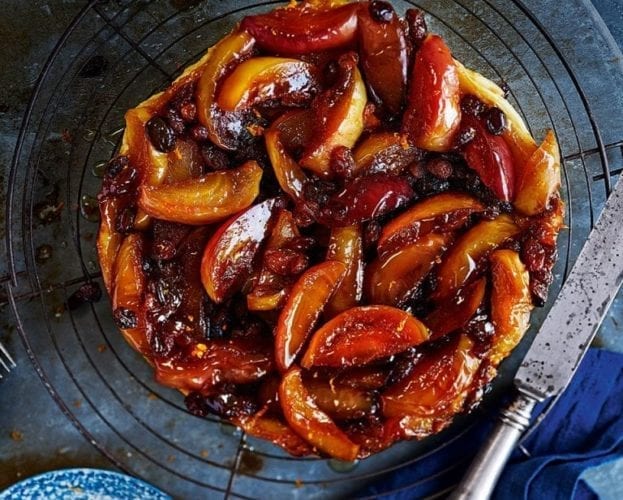
The Austrian influence on the food of this mountainous region is perfectly encapsulated by one of its most famous desserts – the strudel. Given Italian flair thanks to pine nuts and lemon, it’s a classic dish, often served in the region’s cafés and showcasing the local renetta apple.

Tuscany
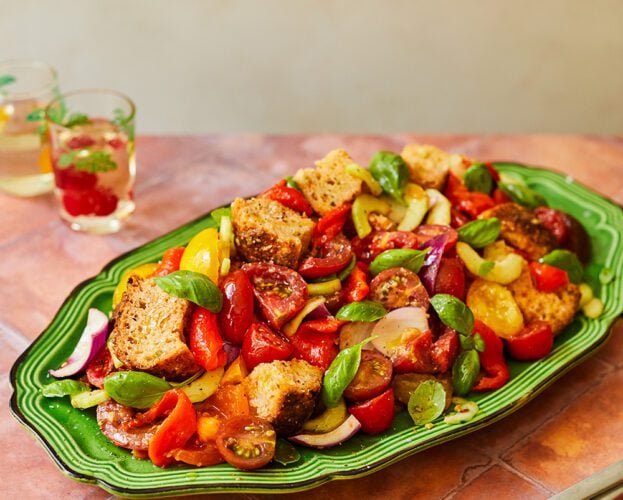
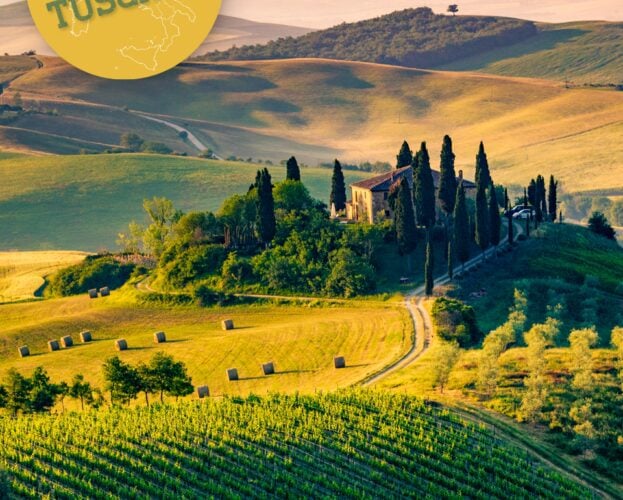
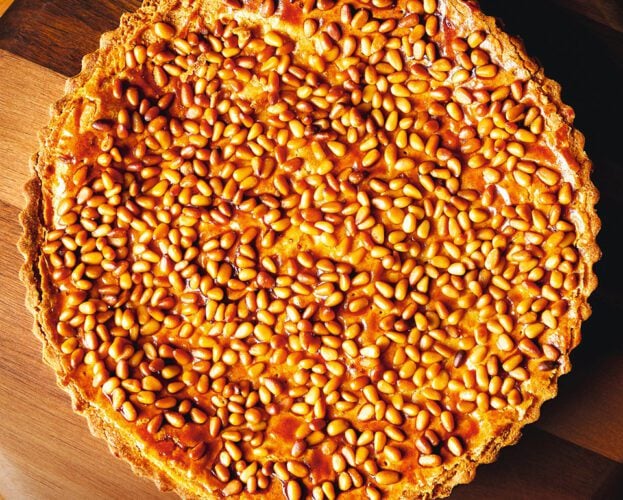
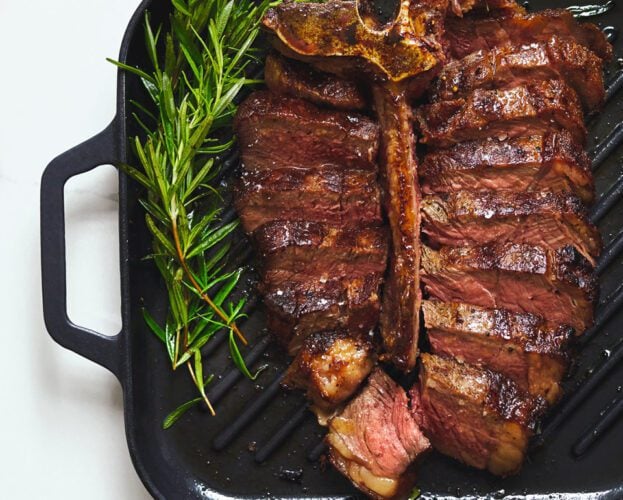
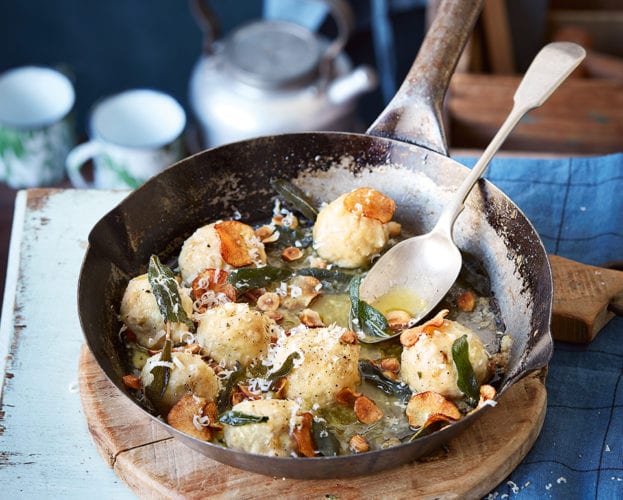
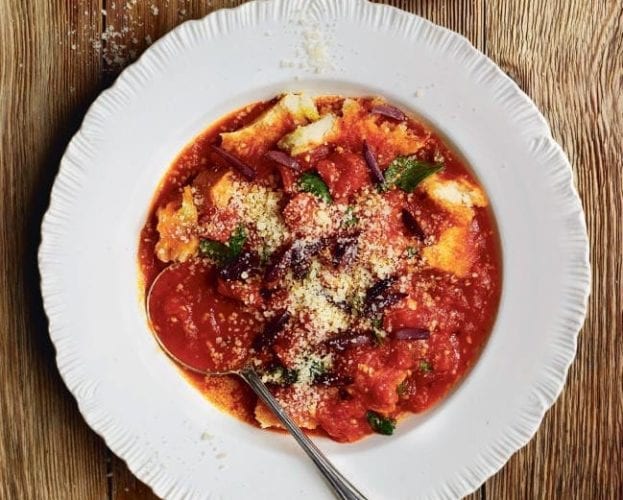
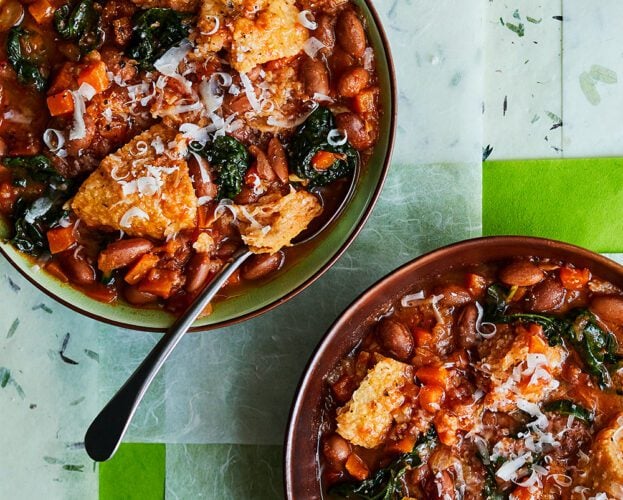
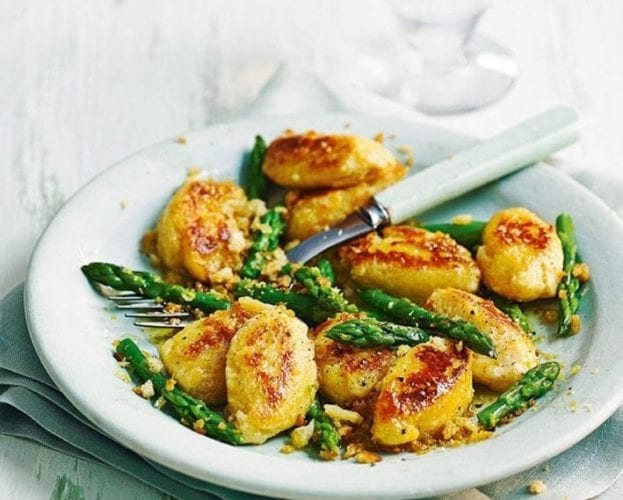
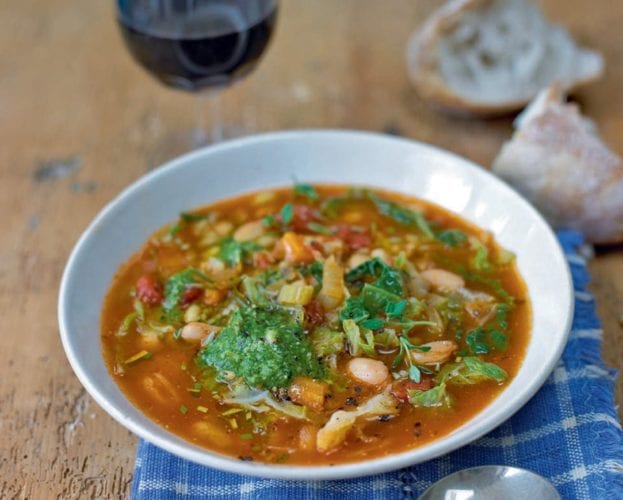
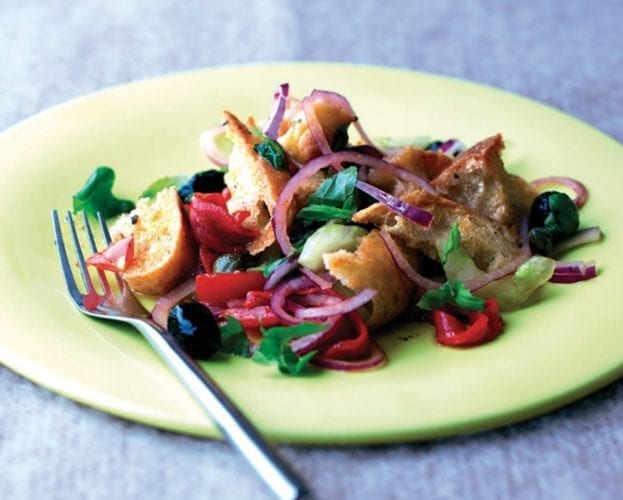
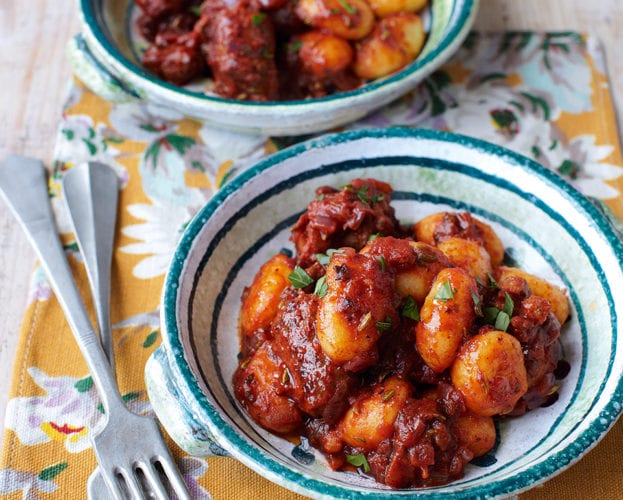
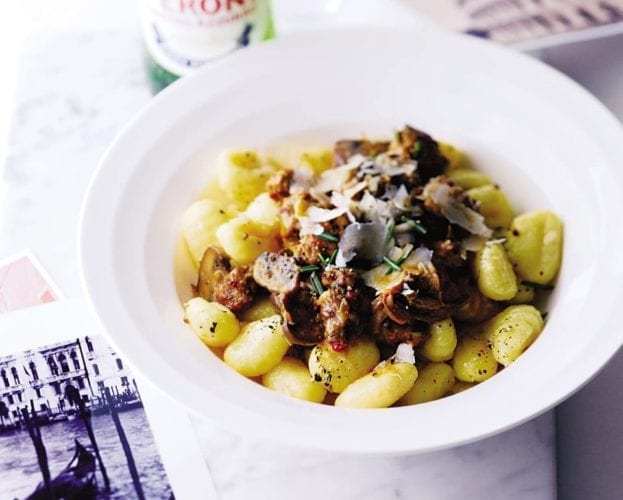
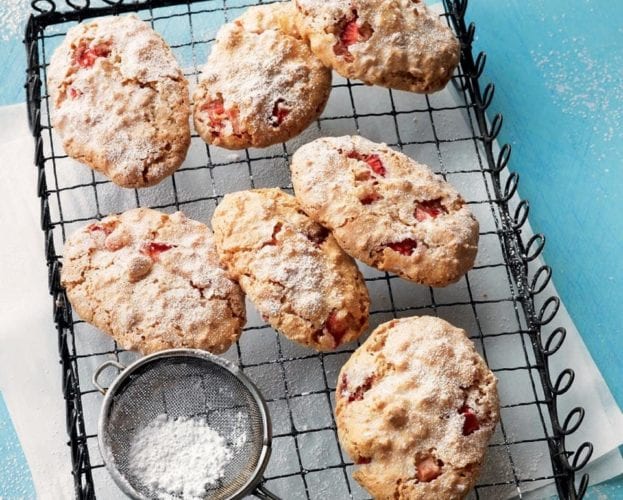
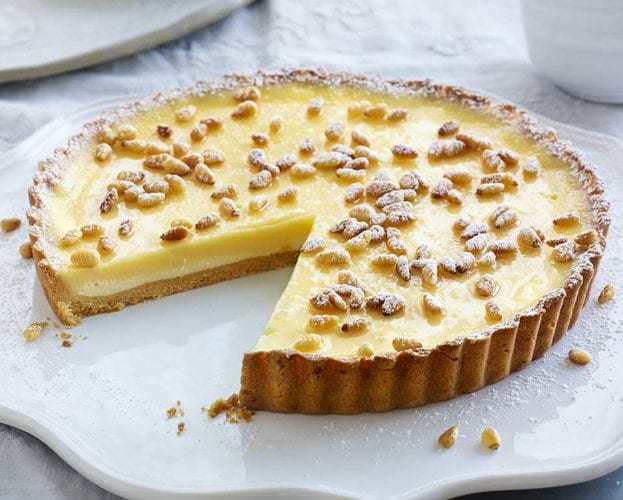
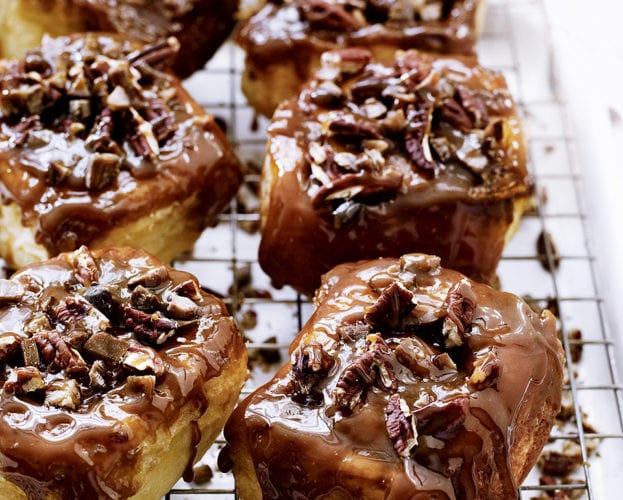
In terms of its cuisine, Tuscany offers a bit of everything. There’s a huge influence from the local cucina povera, with stale bread, chestnuts and beans finding their way into many a dish, but plenty of luxury from the big cities too – huge cuts of beef, wild game, fresh egg pasta and sweets filled with dried fruit and spices.


Umbria
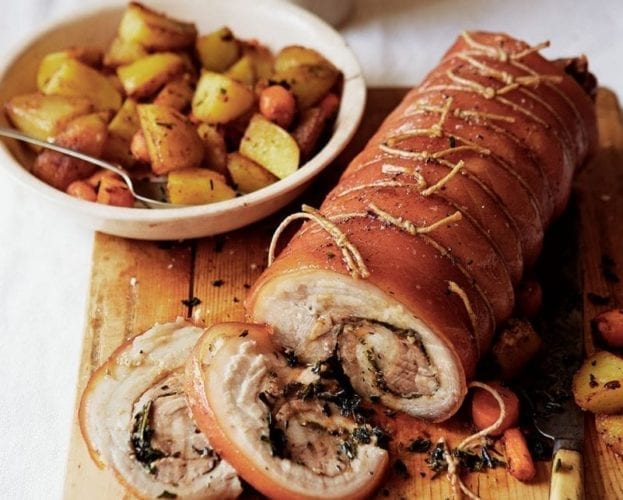
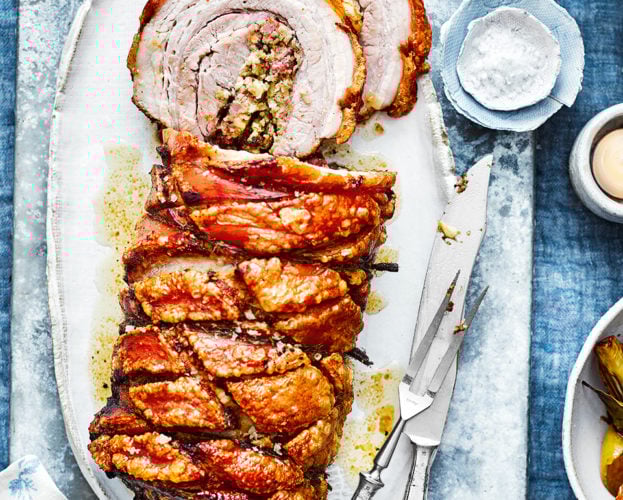
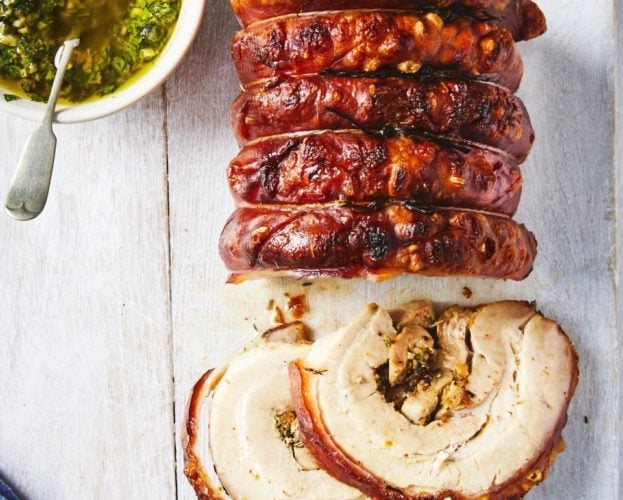
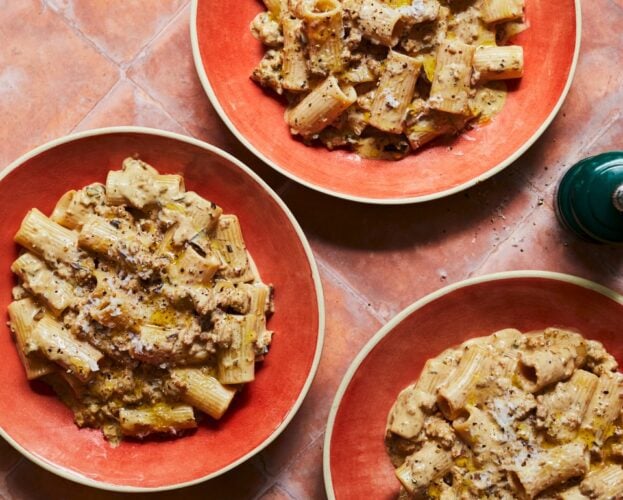
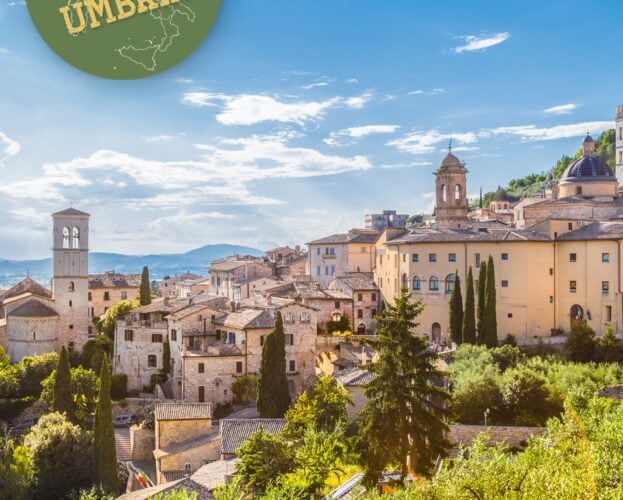
The town of Norcia is famous for its skilled butchers and charcutiers, who produce the country’s best salumi. It’s also the birthplace of porchetta: a huge, rolled piece of boneless pork stuffed with aromatics (often the local wild fennel) and gently roasted until meltingly tender.
Pork reigns supreme in Umbrian cooking as the pigs can happily snuffle about among the trees, but the rolling hills are home to many a sheep too: this is a region of meat-lovers. Game is also a local speciality; wild hare ragù and slow-roasted wood pigeon are Umbrian classics. Lake Trasimeno provides freshwater fish such as perch and carp to make up for the lack of coastline, while vegetable dishes follow the seasons very closely.
Valle d’Aosta
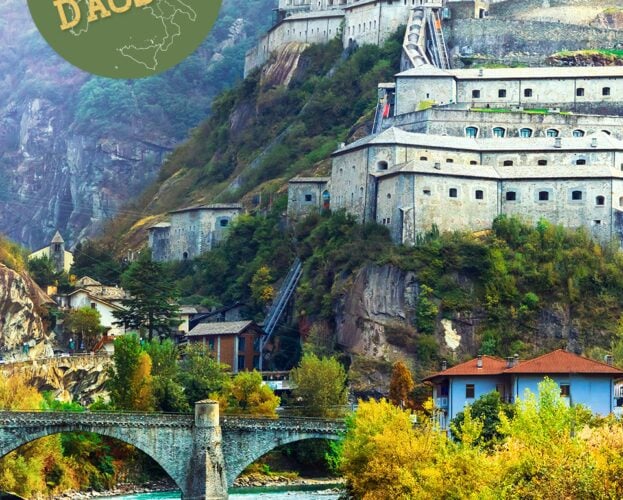
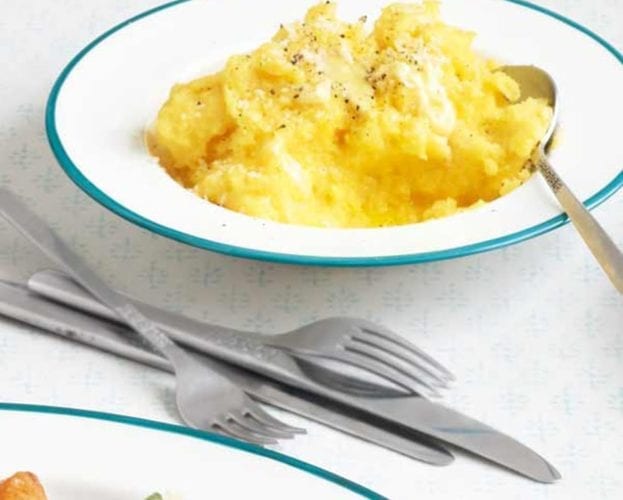
While skiing remains the major reason to visit the Aosta Valley, it has a surprisingly rich food scene – especially as there are less than 150,000 people living in the entire region. Being up in the mountains, robust, hearty dishes are the main attraction. This isn’t a place you’ll find tomatoes and basil: warming beef stews, polenta, butter, cheese and nuts make up the majority of traditional Aostan dishes.
Veneto
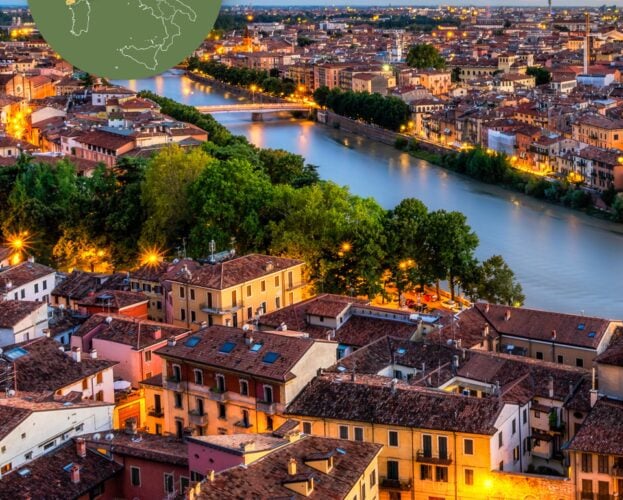
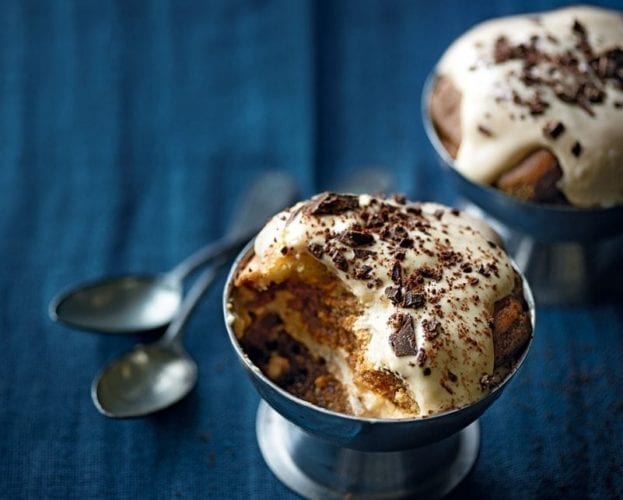
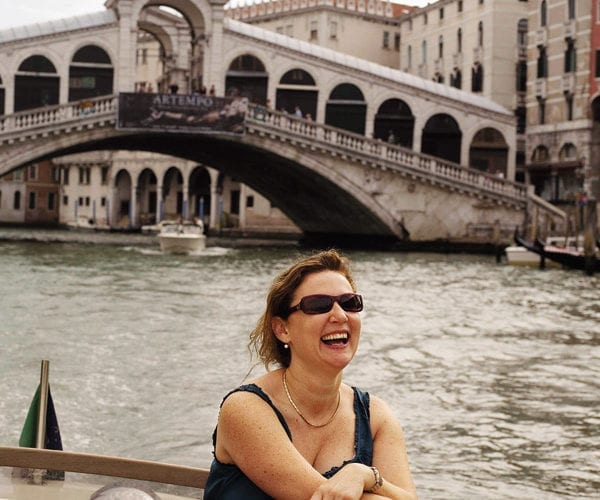
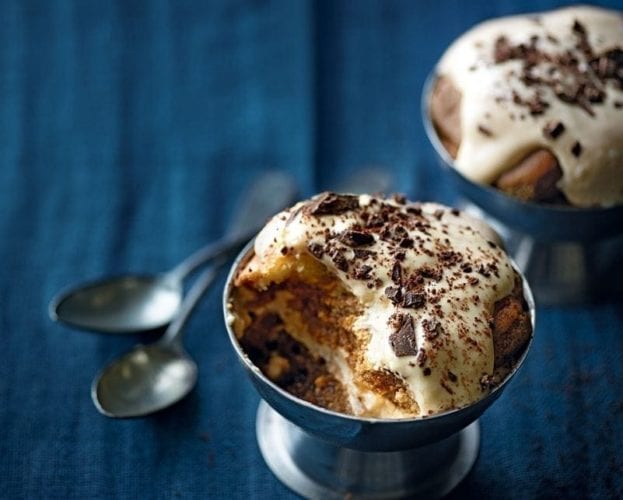
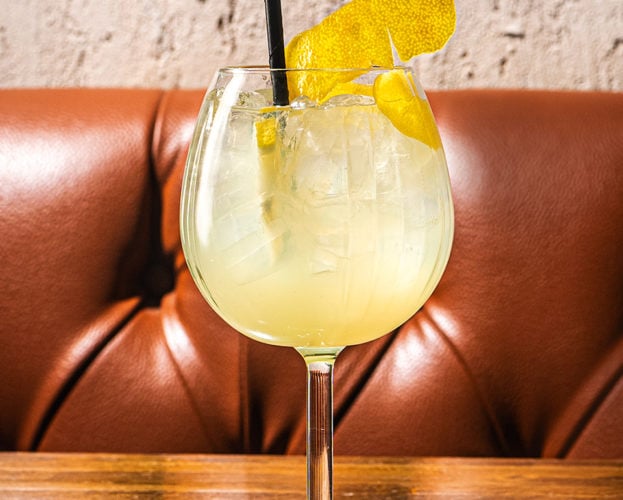
Discover the food, drink and dishes Veneto is best known for with our food lover’s guide to the region. Alongside the glitz and glamour of tiramisu, spritzes and prosecco, all of which hail from the region, you’ll also find plenty of meat, fish, vegetables, grains and pulses here. We explore dishes from the region’s most famous city, Venice, as well as wines and cheeses from the region, including asiago, a much underrated semi-hard Italian cheese that might just change your life…




Subscribe to our magazine
Food stories, skills and tested recipes, straight to your door… Enjoy 5 issues for just £5 with our special introductory offer